

- Algeria has launched a national artificial intelligence training program to develop local skills and support start-ups.
- Authorities aim to train up to 500,000 ICT specialists under a broader digital transformation strategy.
- The program combines intensive training with practical projects and incubation support.
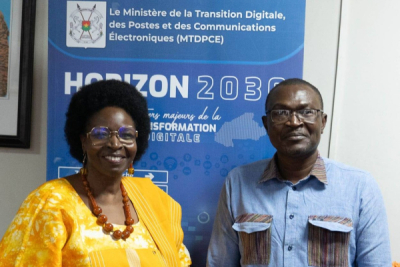
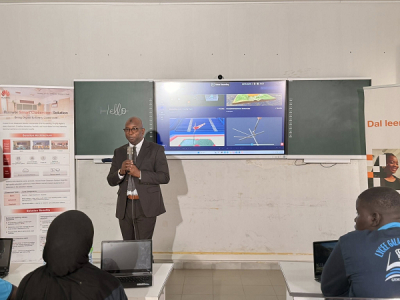
Algeria has stepped up efforts to build skills in emerging technologies as artificial intelligence expands across industries. Nacima Arhab and Noureddine Ouadah launched the national artificial intelligence training program on April 26 at the El Rahmania National Specialized Vocational Training Institute in Algiers.
Authorities said the initiative aims to position local skills as a central driver of adaptation to technological change and development of the knowledge economy. The program seeks to train, within short timeframes, professionals who can integrate into the digital environment and design solutions tailored to business and domestic market needs.
Intensive, Practice-Oriented Training
Moreover, the program relies on a practice-based learning model. The training cycle lasts 12 weeks, including eight weeks of intensive coursework and four weeks dedicated to real-world projects. Authorities launched a train-the-trainers program on January 15, 2026 to ensure instructional quality.
This approach aims to align training with market realities and accelerate workforce readiness. Participants work on real use cases, often in collaboration with start-ups, while using the latest artificial intelligence tools and models.
National Strategy to Accelerate Digital Skills
Furthermore, the initiative forms part of a forthcoming national digital transformation strategy that authorities plan to roll out in the near term. The strategy targets the training of up to 500,000 ICT specialists and aims to significantly reduce brain drain among qualified talent.
In this context, Algeria seeks to strengthen its technological sovereignty and capture a larger share of value generated by artificial intelligence. Authorities target AI contributions of up to nearly 7% of GDP by 2027. To support this ambition, they are deploying multiple levers, including dedicated financing mechanisms, the development of centers of excellence and broader access to digital technologies.
Beyond training, the program fits into a broader strategy to structure an innovation ecosystem. In this regard, authorities have inaugurated a business incubator within the institute to support project holders and foster the creation of technology start-ups.
This article was initially published in French by Samira Njoya
Adapted in English by Ange J.A de Berry Quenum