-
Orange RDC aims to help transform the Democratic Republic of Congo into a leading African technology hub by 2030 through investments in connectivity, digital inclusion and talent development.
-
The operator plans to expand fiber-optic infrastructure, improve mobile network quality and advocate lower taxes on smartphones and network equipment.
-
Mobile internet revenues now account for more than half of telecom market revenue in the DRC, while telecommunications penetration has reached 62% and internet penetration stands at 33%.
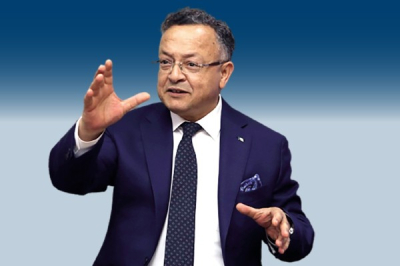
Orange RDC reaffirmed its ambition to help position the Democratic Republic of Congo as a leading technology hub in Africa by 2030. The company outlined that vision during a meeting between its Chief Executive Officer, Brutus Sadou Diakite, and José Mpanda Kabangu. During the meeting, the operator presented the main pillars of its strategy to support the country's accelerating digital transformation.
Orange RDC placed infrastructure development at the center of its roadmap. The operator plans to continue investing in fiber-optic network expansion and improvements to mobile-network quality. The company considers those investments essential in a country where connectivity challenges remain significant, particularly outside major urban centers. Orange RDC argues that broader digital coverage represents a prerequisite for the development of digital services and the expansion of the digital economy.
Orange RDC also identified device affordability as a strategic priority. The company called for lower taxes on smartphones and network equipment. According to the operator, such measures could accelerate digital-service adoption, improve nationwide coverage and support the investments required to expand network capacity.
Orange RDC also emphasized skills development as a critical component of its strategy. The group intends to leverage its international expertise to support the training of local talent in digital technologies and innovation. The company aims to build a pool of skilled professionals capable of supporting new digital services and sustaining the growth of the Congolese digital economy.
Orange RDC presented its strategy against a backdrop of sustained growth in digital adoption across the country. Industry data show that telecommunications penetration has reached 62%, while internet penetration has climbed to 33%. At the same time, mobile internet revenues now generate more than half of total telecom-sector revenue, highlighting the growing importance of digital services in the Congolese market.
Congolese authorities are also increasing efforts to strengthen digital inclusion. In early June, the Universal Service Development Fund launched construction work on its first pilot telecommunications sites in the Kongo Central province to extend connectivity to underserved areas. Meanwhile, Orange is already participating in several coverage-expansion projects. The company notably works with Vodacom through a partnership designed to connect millions of additional residents in rural regions.
Orange RDC and public authorities agree that infrastructure alone will not create a Congolese technology hub. Both parties believe that the country must also expand access to digital devices, strengthen digital skills and improve connectivity across all 145 territories of the Democratic Republic of Congo. Together, those measures are expected to support broader digital inclusion and accelerate the country's digital transformation.
This article was initially published in French by Samira Njoya
Adapted in English by Ange J.A de Berry Quenum