
- Zambia plans to connect 2,500 more schools to the internet by end-2026.
- Only 5,487 schools currently have internet access for teaching, out of 13,987 nationwide.
- The initiative relies on public-private partnerships and digital learning platforms backed by UNESCO, UNICEF, and Microsoft.
The government of Zambia plans to connect 2,500 additional schools to the internet by the end of 2026. It frames the initiative as part of a wider strategy to digitalize the education system.
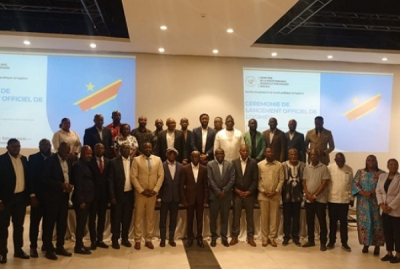
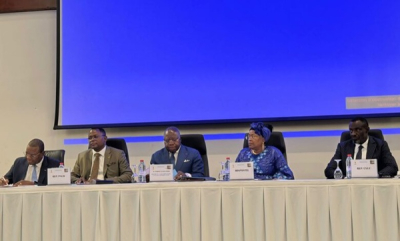
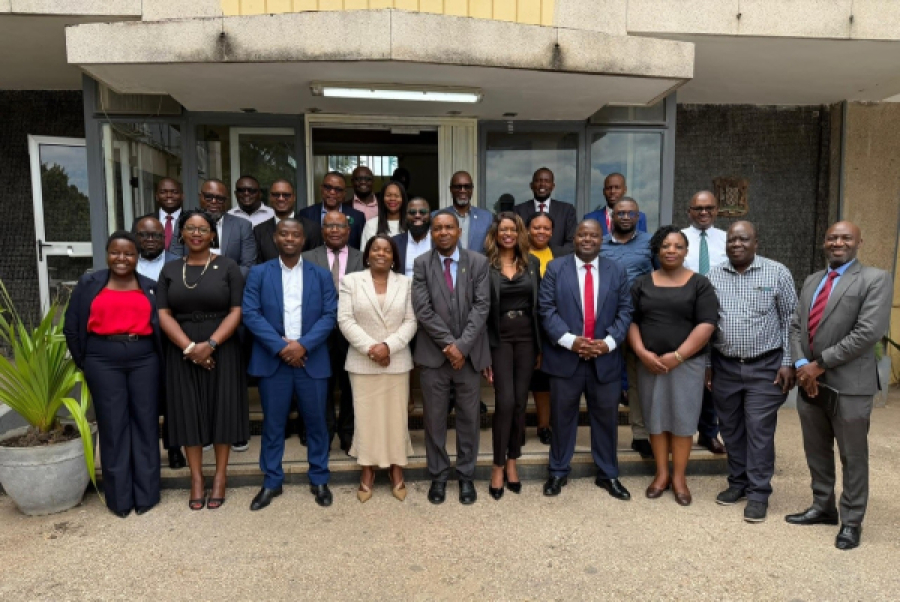
In this context, telecommunications companies and financial institutions in Zambia committed last week to support the Ministry of Education in expanding school connectivity. They made this commitment during a stakeholder meeting focused on school internet access.
Noriana Muneku, Permanent Secretary for Administration at the Ministry of Education, stated that the collaboration transformed learning conditions in the country. She said that classrooms once limited in resources now introduce students to digital tools, while teachers expand their teaching methods and students access knowledge beyond their immediate environment.
The initiative aligns with Zambia’s broader strategy to use technology as a driver of socio-economic development across sectors. The government implements the education component in partnership with private sector actors and international organizations.
The Ministry of Education stated that schools can use a wide range of ICT tools to communicate, create, store, and manage information more efficiently. It added that information and communication technologies provide learners with access to digital textbooks, e-books, and specialized educational software available anytime and anywhere.
The ministry further stated in its “Education Statistics Bulletin 2025” that ICT integration enables students to learn at their own pace and schedule. It said this flexibility allows learners to balance studies with personal or professional commitments, unlike traditional teaching methods.
In parallel, the government launched the “Digital Learning Passport” platform in collaboration with UNESCO, UNICEF, and Microsoft. The platform offers interactive lessons, audio and video content, and digitized curriculum-aligned resources. In 2024, more than 300,000 students used the platform to study subjects including English, mathematics, science, and social studies.
According to Ministry of Education data, 8,239 schools out of 13,987 had internet access for administrative purposes by end-2025. However, only 5,487 schools had connectivity for teaching and learning, while 3,276 schools had what authorities classified as reliable connections.
The initiative faces several challenges. These include the scale of connectivity rollout, network reliability, availability of ICT equipment, and the digital skills of teachers and students. Electricity access also remains a major constraint, as 5,812 schools lacked power supply in 2025.
This article was initially published in French by Isaac K. Kassouwi
Adapted in English by Ange J.A de Berry Quenum