
-
Morocco plans to launch its “Maroc IA 2030” strategy to modernize public services, enhance digital interoperability, and strengthen economic competitiveness.
-
The government will establish Al‑Jazari Institutes, a national network of AI centers of excellence linking research, innovation, and regional economic actors.
-
The initiative complements Digital Morocco 2030, targeting 240,000 digital jobs and $10 billion contribution to GDP by 2030, while improving Morocco’s AI readiness ranking in MENA and globally.
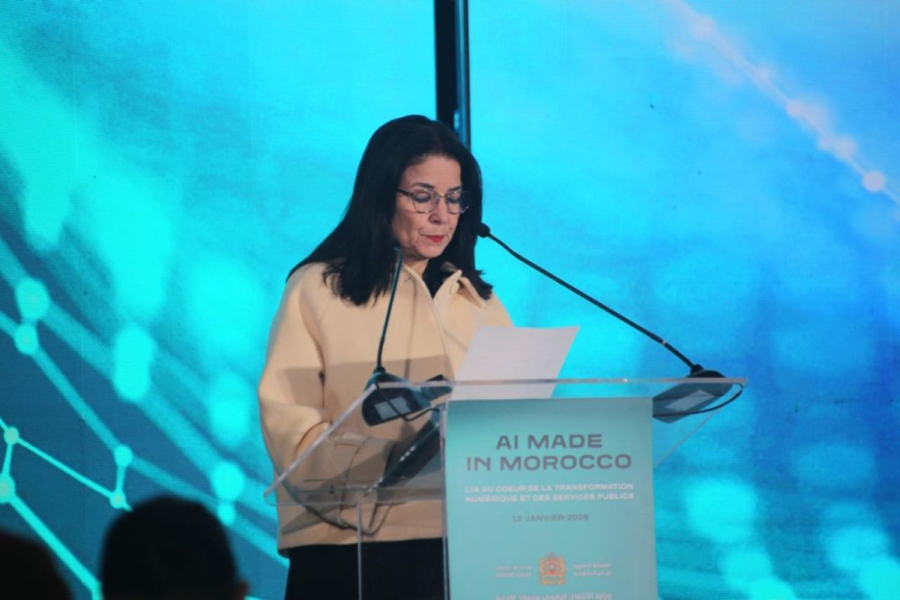
Morocco prepares to unveil “Maroc IA 2030,” a strategic framework to structure the country’s AI ecosystem. The initiative aims to exploit artificial intelligence to modernize public services, improve digital system interoperability, and enhance national competitiveness, Minister Delegate for Digital Transition and Administrative Reform Amal El Fallah Seghrouchni said ahead of the “AI Made in Morocco” event in Rabat on January 12.
The roadmap focuses on five priorities: ensure technological independence, build trust in AI usage, develop national skills, support local innovation, and provide balanced coverage across the territory. Central to the plan is the creation of Al‑Jazari Institutes, a network of AI centers of excellence tasked with connecting academic research, technological innovation, and regional economic needs.
The plan builds on the Digital Morocco 2030 strategy, launched in September 2024, which places AI at the core of the country’s digital transformation. Authorities expect the strategy to generate 240,000 digital jobs by 2030 and contribute roughly $10 billion to GDP. Morocco improved 14 points in the AI government readiness index in 2025, ranking 87th globally and 8th in the Middle East and North Africa.
Concrete measures include the creation of a General Directorate for AI and Emerging Technologies to oversee public policy and the establishment of an Arab-African regional digital hub in partnership with the UNDP, aimed at fostering sustainable digital innovation.
Other African countries, including Egypt, Rwanda, and Kenya, have launched national AI strategies or strengthened institutional frameworks to accelerate AI adoption in the economy and public services. These efforts include centers of excellence, training programs, and regulatory frameworks to support responsible innovation.
If fully implemented, Maroc IA 2030 could enhance Morocco’s economic competitiveness, create skilled jobs, improve public service efficiency through intelligent systems, and strengthen the country’s position in the continental and global tech landscape.
This article was initially published in French by Samira Njoya
Adapted in English by Ange Jason Quenum