
-
Burkina Faso prioritizes local languages to build inclusive artificial intelligence systems.
-
Authorities launch work on linguistic datasets for four national languages.
-
The initiative aligns with a broader African push to integrate local languages into AI.
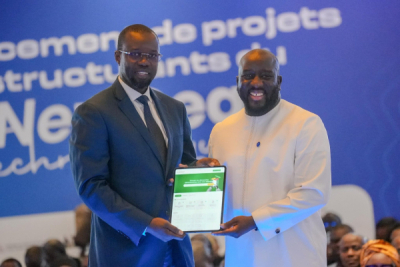
The Ministry of Digital Transition, Posts and Electronic Communications launches work on Tuesday, March 24 to structure linguistic foundations for AI solutions. It focuses discussions on formalizing resources that AI models can use.
Specifically, the ministry targets four local languages: Mooré, Dioula, Fulfulde and Gulmancema. These linguistic resources support the development of applications such as speech recognition, machine translation and text-to-speech systems. These technologies play a key role in expanding access to digital services in a country with strong linguistic diversity.
“Through the integration of national languages into emerging technologies, Burkina Faso affirms its commitment to building inclusive, accessible artificial intelligence adapted to its socio-cultural context. This workshop fully aligns with the 12 major digital transformation projects by 2030, particularly the initiative dedicated to artificial intelligence serving all Burkinabè,” the ministry states.
This initiative fits into a broader trend across Africa. Several countries launch programs to integrate local languages into artificial intelligence technologies.
In Benin, the “JaimeMaLangue” project advances efforts to give local languages a digital presence. In Nigeria, authorities launch N-ATLAS v1, an open-source language model developed in partnership with Meta. This system supports multiple local languages, including Yoruba, Hausa and Igbo, alongside Nigerian English. It aims to reduce linguistic barriers that hinder technology adoption across the continent.
At the same time, international technology companies increase their focus on this issue. Google’s Africa-focused artificial intelligence division launches the Wazal project to improve support for African languages in AI models.
The project collects linguistic data and develops translation systems. Its database covers 21 African languages, including Hausa, Yoruba, Luganda, Acholi, Swahili, Igbo and Fulfulde.
In Burkina Faso, authorities prioritize the production of local data to build a more sovereign AI ecosystem. They collaborate with public institutions and research organizations to create reliable corpora. These datasets remain essential for training effective AI models and ensuring long-term technological independence.
This article was initially published in French by Samira Njoya
Adapted in English by Ange J.A de Berry Quenum