

-
Moroccan fintech Mynk enables users to send and receive money instantly using only a phone number.
-
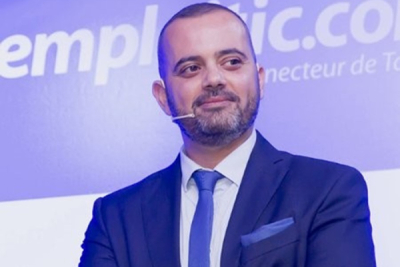
Entrepreneur Driss Zizi launched the mobile payment solution in 2021 to support digital payment adoption in Morocco.
-
The platform uses an e-wallet funded by bank cards, with free instant transfers between users.
A Moroccan startup developed Mynk to allow users to send and receive money instantly without entering bank details such as an IBAN or account number. Entrepreneur Driss Zizi launched the solution in 2021 as part of a broader push to modernize digital payments in the country.
The application allows users to transfer money using a simple phone number. The process resembles an instant messaging experience because the user selects a contact from a phone directory, enters the amount and confirms the transaction.
The developers designed the application primarily for students and young professionals. The platform simplifies everyday financial transactions such as splitting expenses, paying for services, transferring money among friends, purchasing mobile airtime, paying bills and buying gift cards or online services.
The company built the platform around an electronic wallet that users fund through a bank card. The system allows users to transfer funds instantly and free of charge between Mynk accounts. However, the platform charges a commission when users send funds to a traditional bank account.
At the regulatory and security level, the fintech relies on partnerships with local banking institutions and on infrastructure that complies with Moroccan financial regulatory requirements.
The company described its security approach on its LinkedIn page.
“Mynk is in partnership with a Moroccan bank and offers the highest standards in terms of security.”It positions itself within a broader transformation of Morocco’s fintech ecosystem.
The startup simplifies digital transactions and improves accessibility to financial services. As a result, the platform supports faster adoption of mobile payments and promotes financial inclusion, particularly among younger urban populations.
Adoni Conrad Quenum