
-
Morocco and Gabon signed two agreements covering AI, digital policy and skills development.
-
The partnership includes scholarships and training programs to strengthen public-sector capabilities.
-
Morocco targets up to $10.7 billion in AI-driven value by 2030.
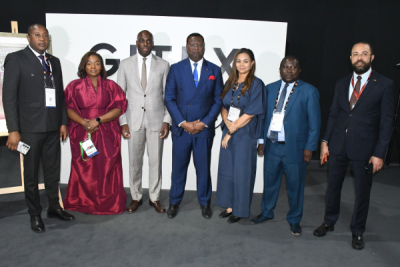
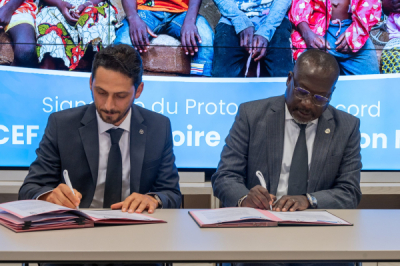
Morocco and Gabon signed two agreements on the sidelines of the 2026 edition of GITEX Africa, held from April 7 to April 9 in Marrakech. The agreements reflect a shared commitment to accelerate digital transformation and develop human capital.
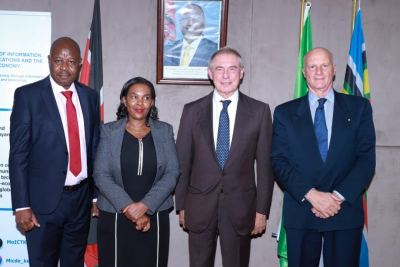
Digital ministers Amal El Fallah Seghrouchni and Mark Alexandre Doumba signed the first agreement to structure bilateral cooperation. The framework covers knowledge sharing on digital public policies, regulatory harmonization, and the rollout of training programs aligned with sector needs.
Under the agreement, 15 Gabonese students will receive full scholarships to attend Mohammed VI Polytechnic University starting in September 2026.
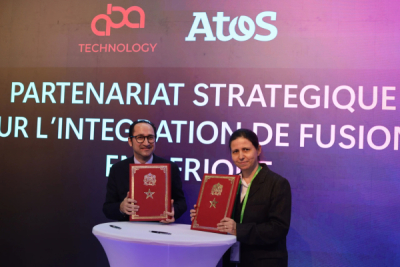
The National Institute of Posts and Telecommunications of Morocco and its Gabonese counterpart signed the second agreement to modernize training curricula. The institutions aim to align education programs with labor market and public administration needs.
The initiative includes a dedicated program for Gabonese public officials, with five fully funded scholarships awarded annually over five years to strengthen technical expertise within government institutions.
The partnership forms part of a broader trend of South-South cooperation across Africa, where governments are leveraging shared expertise to accelerate digital transitions and boost ecosystem competitiveness.
Gabon is seeking to leverage Morocco’s experience to structure its digital environment and diversify its economy. The country is refining its digital strategy around regulatory strengthening, infrastructure development, digitization of public services, and skills development.
Morocco is pursuing ambitious artificial intelligence goals and is targeting value creation of up to 100 billion dirhams (about $10.7 billion) by 2030. The country is relying on innovation, skills development, and expanded international partnerships to achieve this target.
Samira Njoya