

- Senegal will equip traffic regulation units with 2,500 body cameras.
- Authorities will link the devices to digital ticketing systems to curb cash handling and improve fine collection.
- The government aims to reduce corruption and strengthen traceability of roadside interventions.
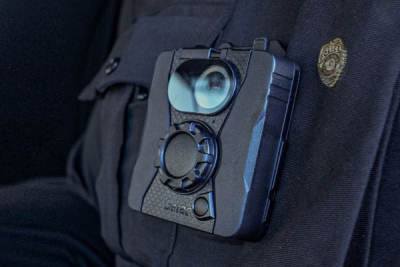
Senegal will equip its traffic regulation units with 2,500 portable cameras to strengthen oversight of roadside checks and reduce corruption, Interior Minister Mouhamadou Bamba Cissé said.
The minister announced the measure on Feb. 18 before the National Assembly during the review of a draft law aimed at professionalizing the private security sector.
Cissé said the body cameras will record interactions between officers and road users. He said the recordings will provide factual evidence in the event of disputes and improve traceability of public road interventions. He said authorities aim to improve operational practices and enhance service quality for citizens.
Modernizing Road Control Through Digital Tools
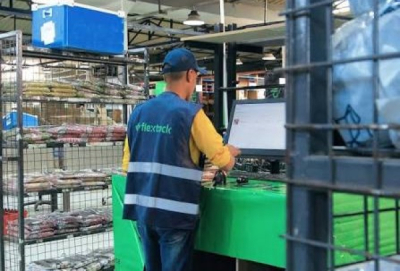
Authorities will connect the body cameras to personal digital assistants (PDAs) that the ministry already uses to manage traffic fines and dematerialize procedures. Officials said the integration will standardize the processing of infractions, limit cash handling and ensure direct payment of fines to the public treasury. Authorities said the system will strengthen financial flow management and improve transparency.
The project forms part of a broader modernization drive within the security forces. The administration has introduced digital tools in recent years to manage traffic and roadside controls. Officials said mobile technologies will improve operational efficiency and strengthen the reliability of infraction data collection.
A Technology Already Tested in Several Countries
Security services across North America and Europe have widely adopted body cameras as tools that support procedures and evidence management. Several studies conducted in those regions show improved compliance with protocols during checks and reduced incidents linked to interventions.
In Africa, South Africa launched a program in 2023 to equip selected police and traffic officers with body cameras to improve monitoring of interventions. Nigeria and Kenya have also initiated discussions on integrating such devices into public security systems.
Senegal’s decision to combine body cameras and PDAs signals an effort to align technological innovation with administrative reform. Authorities said they will link the devices to a digital infraction management circuit to strengthen procedures, optimize fine collection and modernize the operational environment of security forces.
Officials said the system’s effectiveness will depend on officer training, a clear legal framework governing the use of recordings and the integration of the technology into a coherent management structure. Policymakers in other countries that adopted similar solutions have faced similar implementation challenges.
This article was initially published in French by Samira Njoya
Adapted in English by Ange J.A de Berry Quenum