

-
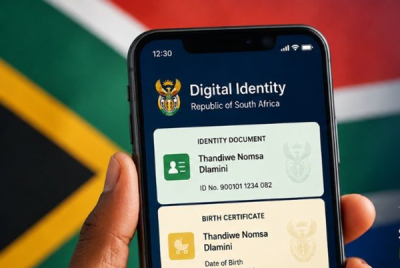
South Africa published a draft regulation to introduce a national digital identity system alongside physical identity cards.
-
The system will operate through the “MyMzansi” mobile application and will use biometric authentication, NFC, Bluetooth and QR code verification.
-
The government aims to strengthen security, reduce identity fraud and expand access to digital public services.
South Africa advanced its digital government strategy on Monday, May 4, as the Ministry of Home Affairs published a draft regulation paving the way for a national digital identity system that will operate alongside existing physical identity cards.
The government designed the initiative under its “Home Affairs @ home” strategy, which aims to allow citizens to access administrative services directly from their smartphones. The system will operate through a mobile application called “MyMzansi,” which will allow users to store and use secure digital versions of official documents.
Meanwhile, authorities stated that the digital identity will remain valid for five years and will require biometric facial verification for remote renewal. The government also plans to introduce authentication technologies including NFC, Bluetooth and QR codes to facilitate identity verification across public and private services.
However, the Ministry of Home Affairs clarified that the digital identity will remain optional and will not replace physical identity cards.
The government confirmed that both formats will coexist in a hybrid system designed to modernize public administration while maintaining inclusion for citizens with limited digital access.
A Tool to Fight Fraud and Financial Crime
At the same time, the government framed the reform as a broader security initiative beyond administrative digitization. Home Affairs Minister Leon Schreiber said the system would strengthen efforts to combat identity theft, financial fraud, corruption and illegal immigration. The project includes advanced security mechanisms such as biometric capture, liveness detection, data encryption and device-based identity binding to a specific mobile phone. In addition, authorities plan to strengthen data protection frameworks as global concerns over cybersecurity and privacy continue to rise.
Toward a Fully Digital Administration
The South African government aims to position the digital identity system as the foundation of a broader e-government infrastructure. Over time, authorities plan to integrate multiple services into the MyMzansi platform, including driving licences, academic certificates, social services and selected police and judicial procedures.
The reform comes as South Africa seeks to modernize public services that often face criticism for administrative delays and long queues at government offices. The draft regulation remains open for public consultation until June 6, 2026, before potential final adoption.
This article was initially published in French by Samira Njoya
Adapted in English by Ange J.A de Berry Quenum