
-
Mozambique appoints Adilson dos Santos Cousin Gomes to lead new digital transformation agency (ATDI)
-
Government launches parallel AI and digital coordination bodies and drafts national strategy
-
Authorities target 80% mobile penetration and 95% territorial coverage amid low global rankings
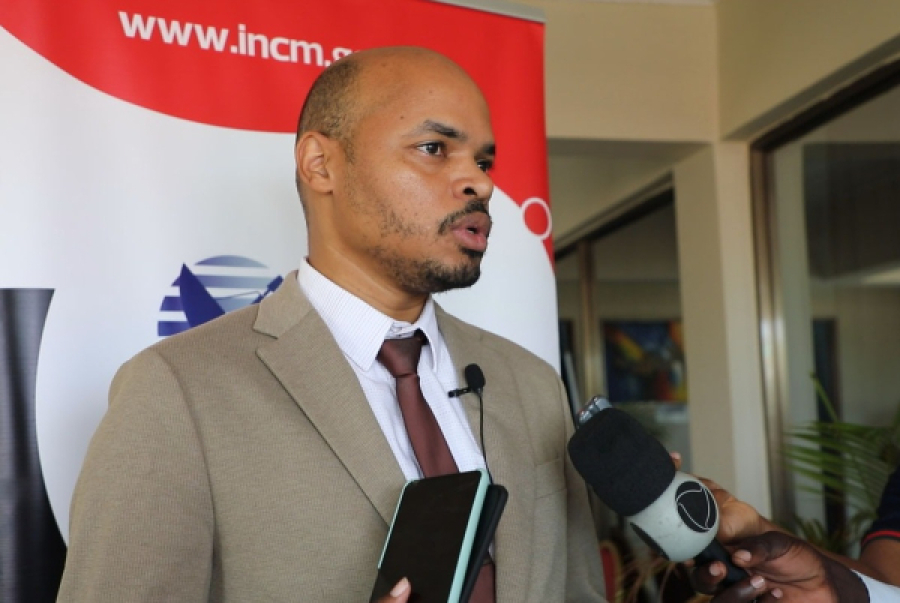
Mozambique advances the rollout of its Digital Transformation and Innovation Agency (ATDI), which authorities created earlier this month. The government announced at the start of the week the appointment of Adilson dos Santos Cousin Gomes as chairman of the agency’s board.
The executive strengthens its digital agenda as it continues to develop a national digital transformation strategy launched in February.
Adilson dos Santos Cousin Gomes will coordinate ATDI activities across the public sector. The agency will deliver services and support the implementation of digital transformation initiatives.
Specifically, ATDI will harmonize and ensure interoperability of state digital platforms. It will also manage and integrate data centers, streamline procurement procedures for technological solutions, and develop digital systems for citizen services.
The Ministry of Communications and Digital Transformation explained the context of this appointment. The ministry stated that the move “comes at a time when Mozambique intensifies its efforts to accelerate digital transformation, strengthen cybersecurity and promote interoperability of state systems, factors considered decisive for the efficiency of public services and economic development.”
In addition to ATDI, the government established new governance structures earlier this month. On March 10, authorities created by decree a National Commission for Artificial Intelligence (CNIA) and a multisectoral technical commission for coordinating and implementing digital transformation (CTD).
Meanwhile, the government officially launched in February the process to design its National Digital Transformation Strategy. Once completed, this roadmap will leverage public digital infrastructure to support inclusive development and strengthen economic resilience.
Maputo has intensified efforts in recent months to expand nationwide internet access. The government aims to reach 80% mobile penetration and cover 95% of the national territory. It also targets 99% network availability.
In terms of performance, authorities aim to deliver connection speeds ranging from 100 Mbps to 1 Gbps for 5G and from 10 Mbps to 100 Mbps for 4G. To achieve these targets, the government relies on satellite technology, telecom network expansion and modernization, and the extension of fiber optic infrastructure.
Mozambique continues to face structural challenges in digital development. The United Nations ranked the country 177th out of 193 economies in the 2024 E-Government Development Index (EGDI), with a score of 0.2848 out of 1, below sub-regional, African and global averages.
In cybersecurity, the International Telecommunication Union (ITU) placed Mozambique at the third tier of its 2024 Global Cybersecurity Index, highlighting gaps in legal, technical and capacity-building areas.
The ITU also estimated internet penetration at 20.5%, underscoring the scale of investment required to close the digital divide.
This article was initially published in French by Isaac K. Kassouwi
Adapted by English by Ange J.A de Berry Quenum