
- Côte d’Ivoire’s Economy Ministry adopted a 2026–2030 IT master plan to modernize public administration systems.
- The plan allocates CFA10.156 billion ($18 million) across 44 projects and six programs.
- The strategy aligns with a broader national digital push backed by a 37% budget increase for digital transition in 2026.
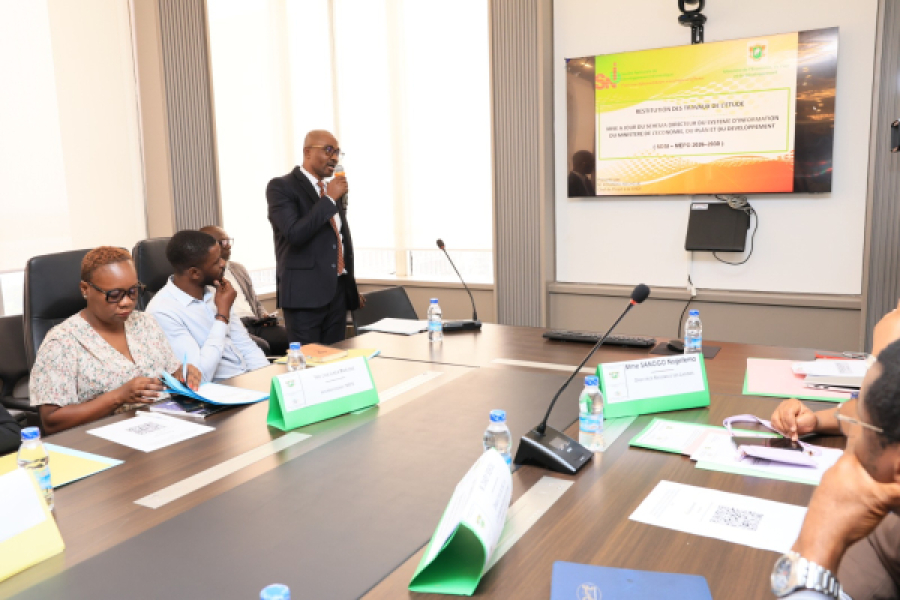
The Ministry of Economy, Planning and Development adopted the 2026–2030 Information System Master Plan. The strategic framework aims to modernize digital tools, strengthen data security, and optimize public service management. Officials presented the document during an official ceremony in Abidjan.
“The Master Plan now constitutes a strategic tool to strengthen digital governance and improve public action efficiency. This presentation, which brought together around forty participants, opens the way for the implementation of planned actions to provide the Ministry with a more modern, secure, and high-performing digital environment,” said Yéo Nahoua, Chief of Staff to Economy Minister Kaba Nialé.
The National Information Technology Development Company conducted an in-depth diagnostic review to support the update. The assessment identified structural gaps, including weak IT governance, multiple non-interconnected platforms, aging infrastructure, and insufficient security mechanisms.
To address these challenges, the plan relies on four key orientations. The strategy targets IT function professionalization, integrated network deployment, rollout of shared and secure applications, and modernization of technical infrastructure. The plan includes six programs and 44 concrete projects. The framework allocates a total budget of CFA10.156 billion, equivalent to about $18 million.
The initiative aligns with national priorities that position digital technology as a development driver. For 2026, the Ministry of Digital Transition and Digitalization secured a budget exceeding CFA83.2 billion. The allocation represents an increase of about 37% compared with 2025. The funding aims to improve digital performance and nationwide connectivity access.
These allocations add to prior investments that delivered tangible results in 2024. Authorities deployed more than 33,000 kilometers of fiber-optic infrastructure. The government launched digital administrative service platforms. The state expanded 4G coverage across multiple rural areas.
The implementation of the new master plan should support more structured digital governance and stronger system interconnection. The framework should also accelerate public service digitalization. The reforms should reduce processing costs and timelines. The upgrades should strengthen infrastructure resilience against cyber threats.
This article was initially published in French by Samira Njoya
Adapted in English by Ange Jason Quenum