
- Orange plans to train more than 3 million young people in digital skills across Africa and the Middle East by 2030.
- The telecom operator will open 50 new Orange Digital Centers, increasing its network to 100 facilities in the region.
- Orange aims to support more than 500 start-ups by 2030 while expanding job placement and self-employment programs.
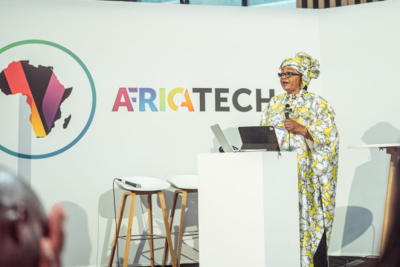
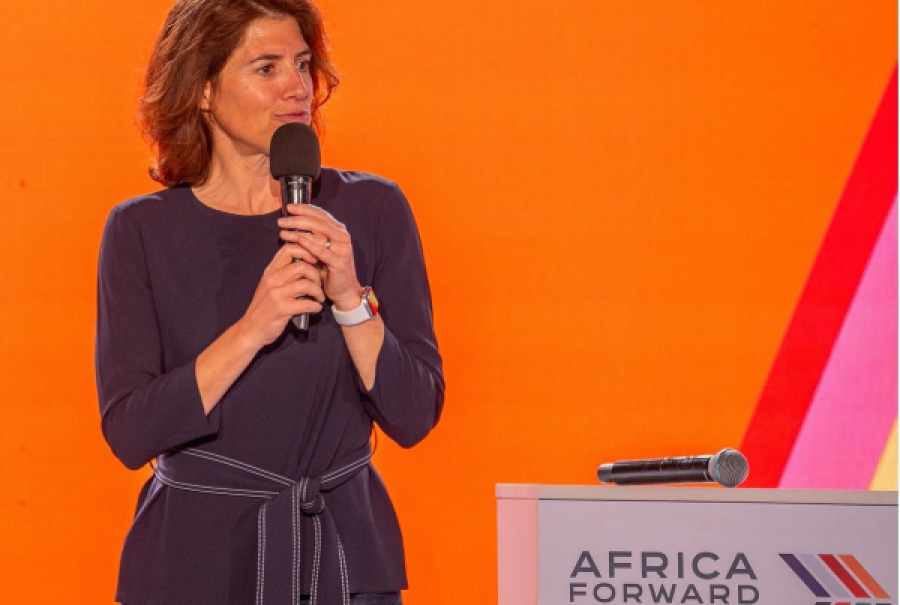
Amid rising demand for qualified workers across Africa, digital skills continue to play an increasingly central role in labor market integration. Against that backdrop, Orange announced new commitments on Tuesday to strengthen youth employability across the continent during the Africa Forward Summit in Nairobi.
The telecom operator said it will intensify investments in training, entrepreneurship, and professional integration as part of its broader socio-economic transformation strategy focused on Africa’s growing youth population.
Orange said it aims to train more than 3 million young people by 2030 in digital professions including artificial intelligence, cybersecurity, cloud computing, and entrepreneurship. The group will provide the programs free of charge and deliver certified training through an expanded network of dedicated infrastructure.
To support that target, Orange plans to open 50 additional Orange Digital Centers, raising the total number of facilities to 100 across Africa and the Middle East. The initiative will also rely on partnerships with more than 167 universities as well as international learning platforms such as Coursera. Orange said the strategy seeks to improve access to digital skills while aligning training programs more closely with labor market needs.
Beyond training, the company also plans to accelerate youth employment and entrepreneurship initiatives. Orange said it will support more than 500 start-ups by 2030, building on a program that has already backed more than 400 young businesses across the continent. The company said it wants to convert acquired skills into concrete economic opportunities in sectors including fintech, healthcare, agriculture, and e-commerce.
Orange also highlighted its “Master Repair” initiative, which it developed in partnership with Deutsche Gesellschaft für Internationale Zusammenarbeit (GIZ). The program operates in Morocco, Tunisia, Senegal, and Egypt. The project trains young people in technical professions linked to electronic equipment repair as well as the installation and maintenance of energy and connectivity solutions.
At the midpoint of the program, 285 young people had already acquired operational skills. Orange said women represented 26% of beneficiaries, while nearly one-third of participants were people living with disabilities. The project has now entered a phase focused on professional integration, with reinforced support for salaried employment and self-employment opportunities.
By combining skills training, entrepreneurial support, and job placement initiatives, Orange aims to address one of Africa’s most pressing challenges: job creation for a rapidly growing young population. The company said the strategy forms part of a broader effort to position digital technology as a driver of economic and social inclusion across the continent.
Samira Njoya