

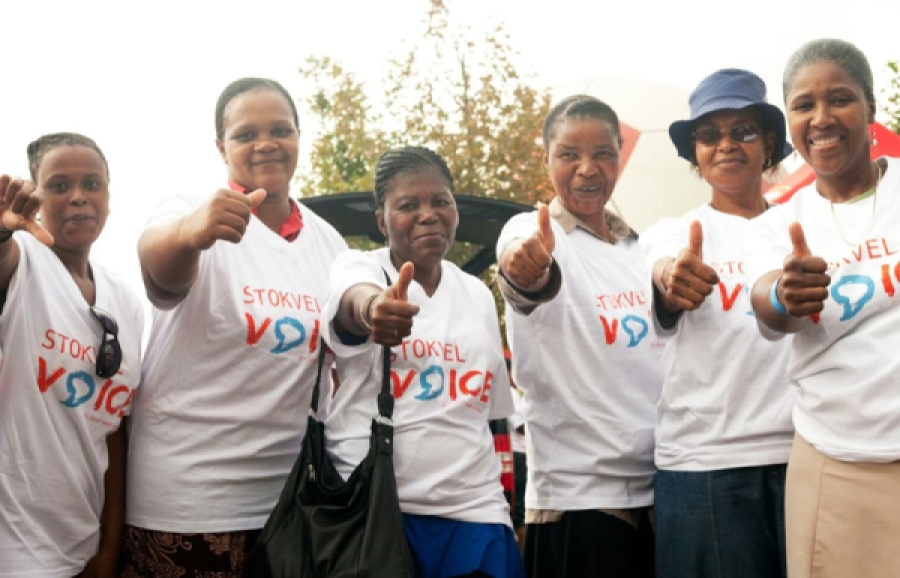
- Stokvel Academy provides online courses and tools to help South Africans create and manage stokvels.
- The platform, launched in 2017 in Soweto by Busisiwe Skenjana, aims to expand financial education and reduce youth unemployment.
- The initiative seeks to modernize traditional collective-saving groups and strengthen financial inclusion in underserved communities.
Stokvel Academy, an e-learning platform developed by the Soweto-based start-up of the same name, offers online courses, educational resources and practical tools designed to help individuals and communities create or join stokvels, the traditional collective-saving groups widespread in South Africa. The platform positions itself as a response to limited access to formal credit and low levels of financial literacy.
Busisiwe Skenjana launched the start-up in 2017. She said, “By training young agents, we do not only tackle unemployment, but we also give stokvels the means to become stronger and more resilient.” Her approach combines skills development with community-driven financial empowerment.
The platform hosts a structured catalogue of modules covering basic saving principles, financial planning, cash-flow management, governance of savings groups, risk assessment and investment strategy. Users access these tools through a web browser and learn at their own pace. Stokvel Academy aims to make financial education inclusive by lowering barriers to understanding collective-saving mechanisms.
The platform blends tradition with technology to update a well-established social model. Existing stokvels can use the training to strengthen internal governance, prevent conflicts and improve long-term sustainability. New members can rely on the tools to adopt structured saving practices from the outset.
Limited access to banking services continues to affect a large share of South Africans. Stokvel Academy positions its services as an alternative that supports financial inclusion, capacity building and community empowerment. By training informed and responsible savers, the platform seeks to reinforce household resilience, stimulate local investment and promote forms of solidarity-based economic activity adapted to African realities.
This article was initially published in French by Adoni Conrad Quenum
Adapted in English by Ange Jason Quenum