

- Digital justice platforms generated more than CFA337 million ($603,700) for the state budget
- Online criminal records accounted for over 90% of applications and revenues
- Authorities launched new digital justice platforms in December to expand reforms
Burkina Faso continues to accelerate the digitalisation of public services to simplify administrative procedures for citizens. Authorities also aim to strengthen state revenues through this transformation.
The gradual digitisation of judicial services has started to generate tangible results. Over two years of operation, online platforms dedicated to nationality certificates and digital criminal records mobilised more than CFA337 million, equivalent to about $603,700, for the state budget.
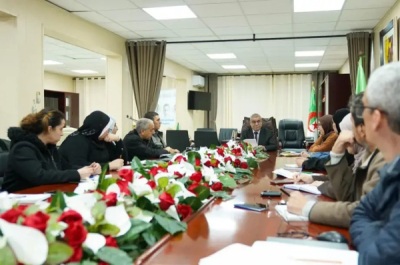
The Ministry of Justice highlighted these results on Friday, December 12, during a site visit organised in Ouagadougou for the media. The initiative aimed to demonstrate the concrete impact of digital tools designed to modernise judicial document delivery and improve access to public services.
Authorities framed the reform within a national context marked by security constraints and significant geographic disparities.
As of December 11, 2025, the online nationality certificate platform recorded nearly 49,000 applications, generating just over CFA24 million in revenue.
However, the central digital criminal record platform captured most of the activity. The system processed more than 418,000 applications and generated over CFA312 million in revenue.
These volumes reflect rapid user adoption driven by simplified procedures and shorter processing times.
Beyond revenue generation, the platforms address a critical accessibility challenge. The systems allow citizens, including those living in insecure areas or remote regions, to obtain official documents remotely.
The platforms secure issued documents with QR codes, which strengthen authenticity and reduce fraud risks historically associated with paper-based procedures.
The digitalisation process continues to face operational challenges. Authorities still record application rejections, mainly due to non-compliant documents, incomplete files, or attempted falsification.
Technical officials say these issues highlight the need to strengthen user support and public awareness of digital procedure requirements. However, teams confirm that compliant applications usually receive processing times of less than 48 business hours.
Building on these results, the Ministry of Justice continues to expand its digital service offering.
Authorities officially launched several new platforms on December 15 in Ouagadougou, including Justice pénale en ligne, e-Permis de communiquer, and e-RCCM (Online Trade and Movable Credit Register). These launches mark a new phase in the modernisation of Burkina Faso’s judicial and administrative services.
This article was initially published in French by Samira Njoya
Adapted in English by Ange Jason Quenum