

- Senegal joins a regional $718,200 digital circular economy initiative across four countries.
- The program targets SMEs with digital tools to improve waste valorization.
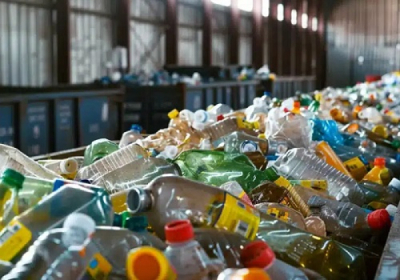
- Africa dumps or burns nearly 90% of its waste, underscoring urgent reform needs.
Senegal has launched the Digital Innovation for Circular Economy (DICE) Africa project to address mounting waste management challenges through digital innovation.
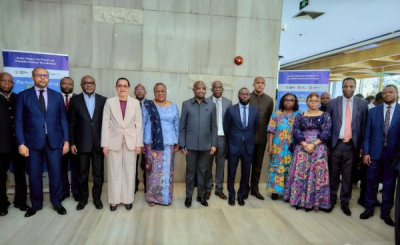
Authorities introduced the initiative on March 30 as part of a regional program also deployed in Nigeria, Ghana, and Ivory Coast. The program aims to support small and medium-sized enterprises (SMEs) in the circular economy and improve waste valorization using digital solutions.
The initiative seeks to remove structural constraints in the sector while strengthening economic and social opportunities linked to waste management.
The Nigeria Climate Innovation Center (NCIC) leads the project with support from Canada’s International Development Research Centre (IDRC). The program operates with a budget of about 1 million Canadian dollars (approximately $718,200) over 30 months across the four countries. The initiative combines research, capacity building, and funding mobilization to create a sustainable ecosystem around the circular economy.
Oluwatosin Ajide, DICE Africa coordinator, said the program places local innovation at its core. He added that organizers will identify grassroots solutions capable of addressing sector-specific challenges.
Ajide said the program will organize a hackathon to stimulate innovation among Senegalese talent and develop digital tools tailored to the needs of circular economy businesses. These tools will support the rollout of a national digital platform designed to facilitate exchanges and improve SME competitiveness.
Waste management remains a major challenge across Africa as volumes rise and collection systems struggle to keep pace. The African Clean Cities Platform estimates that nearly 90% of waste generated on the continent is dumped in uncontrolled landfills or burned in open air.
Senegal produces more than 3 million tonnes of waste annually, while sub-Saharan Africa hosts 19 of the world’s 50 largest dumpsites and could become the largest waste-producing region over time.
This article was initially published in French by Samira Njoya
Adapted in English by Ange J.A de Berry Quenum