



Brief (884)
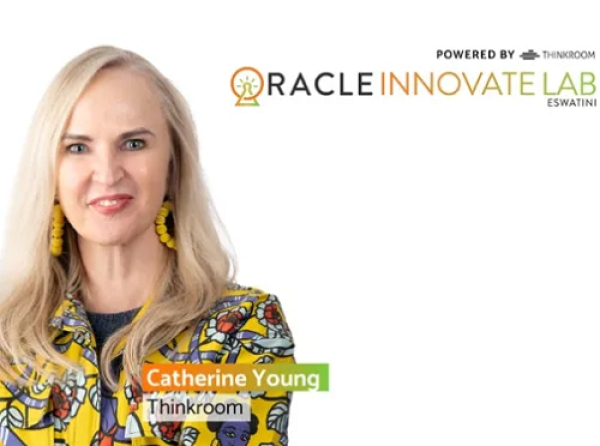
Thinkroom and The Oracle Group are relaunching the Oracle Innovate Lab program in Eswatini following a successful inaugural edition in 2025.
The incubator is designed for local entrepreneurs with startup and growth-stage businesses. Over a six-month period, selected founders will receive hands-on training and mentoring to help scale their ventures and expand into new markets.
Applications for the new cohort, scheduled to begin on Saturday, August 1, will open online on Sunday, June 28.
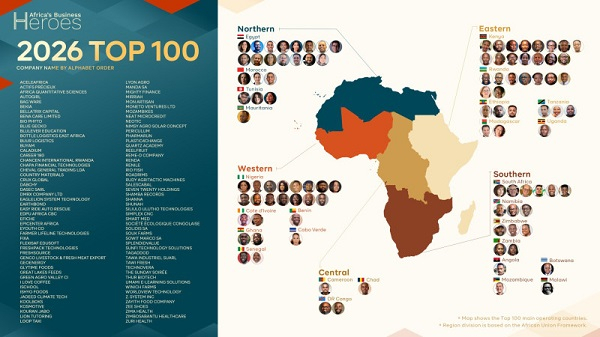
Africa’s Business Heroes, a philanthropy-backed entrepreneurship program, has unveiled its list of 100 semifinalists for the 2026 competition, selected from a pool of 24,000 applicants. For the first time, the organization doubled the number of semifinalists to reflect the growing maturity of Africa’s startup ecosystem. Representing 27 countries and operating across sectors ranging from agriculture to artificial intelligence, these businesses collectively generate $170 million in revenue and employ more than 6,000 people.
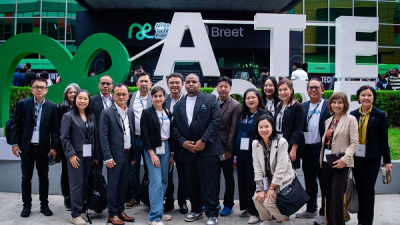
Nigeria will host the Africa Technology Expo on June 26-27, 2026, in Lagos. This major event will bring together companies, startups, developers, and media representatives from across Africa and around the world. The program will feature cutting-edge digital innovations, live demonstrations of business solutions, and networking opportunities designed to foster strategic partnerships and accelerate the growth of Africa's digital ecosystem.

Investment firm Anterra Capital has raised $100 million and is targeting a final close of $200 million to back agricultural and food technology companies. Amid mounting climate challenges and a global slowdown in investment, the firm is focusing on practical, scalable solutions. In particular, it is leveraging artificial intelligence to modernize agricultural supply chains and accelerate biotech research, supporting an industry that employs more than one billion people worldwide.

The XPRIZE Foundation and Google have launched the global “Build with Gemini” competition. With a $2 million prize pool, the hackathon invites developers, creators, and researchers to build practical applications using Google’s Gemini AI. Projects should address real-world challenges in areas such as healthcare, education, and climate change. Applications are open until Tuesday, June 23, 2026.
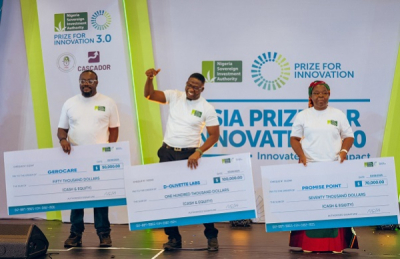
The Nigeria Sovereign Investment Authority (NSIA) has opened applications for its 2026 Innovation Prize. The program supports high-impact Nigerian startups in healthcare, climate technology, and agriculture. Winners will share a total prize pool of $275,000, along with intensive mentorship and access to significant investment opportunities. Founders have until July 8, 2026, to submit their applications.

U.S. startup accelerator Y Combinator has opened applications for its Fall 2026 cohort in San Francisco. The program is seeking early-stage tech startups from around the world, including Africa, that are focused on AI or fintech. Selected startups will receive funding, expert mentorship, and access to a powerful network of investors. Founders have until July 27, 2026, to apply.

Private equity firm Holocene has closed its inaugural climate-tech fund focused on Southern Africa. In just 18 months, the fund has backed ten local startups, creating more than 500 jobs. Its portfolio includes circular-fashion ventures and e-mobility companies developing electric motorcycles and battery-swapping stations. In addition to funding, the startups receive hands-on operational support to help them scale.
On Monday, June 8, DevCareer and Nomba launched a five-week competition in Nigeria for teams of software developers. Running through July 18, the challenge invites participants to create innovative payment solutions tailored to the Nigerian market. In addition to cash prizes, top-performing participants will have the opportunity to join a professional development partnership program and gain support in launching their careers.
From Wednesday, June 17, to Saturday, June 20, Paris will host Viva Technology, one of Europe's largest events focused on innovation and startups. This global gathering will attract entrepreneurs, investors, and researchers from around the world to discuss emerging technologies such as artificial intelligence, digital health, and cybersecurity. The event offers an important opportunity to explore the latest digital solutions and forge strategic partnerships for the future.
More...

From Friday, July 3 to Sunday, July 5, Cotonou will host the sixth edition of Bitcoin Mastermind. This event will bring together professionals, investors, and Bitcoin enthusiasts from across Francophone Africa. The program features conferences, hands-on workshops, networking sessions, and discussions on the future of Bitcoin. Open to everyone—from curious newcomers to entrepreneurs—the event offers an opportunity to explore the rapidly growing Bitcoin and digital asset ecosystem.

African startups are invited to participate in ClawCon, a free community gathering focused on artificial intelligence. Taking place on June 18 at Strathmore University in Nairobi, the event is aimed at creators, developers, and students. The program includes live demonstrations and interactive discussions designed to help participants build their own digital tools and develop practical AI skills.

On Tuesday, June 9, global financial platform Yuno announced a partnership with pan-African network Onafriq aimed at simplifying e-commerce payments across Africa. Through the partnership, merchants worldwide can accept payments and send funds to one billion mobile wallets and 500 million bank accounts across the continent. This single-system approach eliminates the technical and regulatory hurdles typically caused by Africa's fragmented markets.

On Tuesday, June 9, Nigerian startup Myka announced it has secured seed funding to expand its operations. Founded in 2025, the digital platform allows individuals and small businesses to compare and buy insurance policies in real time. By partnering with major insurers, the startup aims to make insurance products, including health, auto, and home coverage, more accessible in a country where insurance penetration remains very low.