



Brief (884)
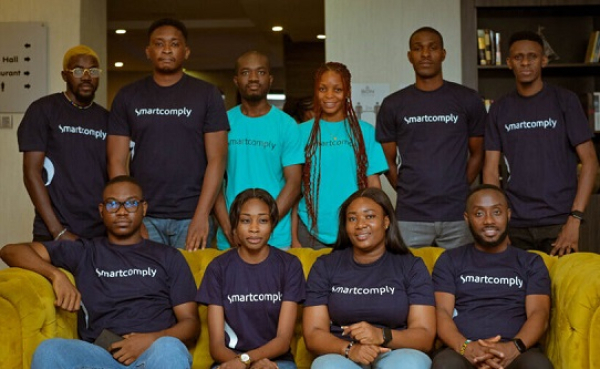
Nigerian startup Smartcomply is expanding into the UK to support digital banks and remittance firms. Its AI-powered platform verifies customer identities, detects fraud and monitors cross-border transactions. Built around African financial data and payment flows, the technology aims to strengthen anti-money laundering compliance.

Applications are now open for the Africa HealthTech ExCon Accelerator 2026, a program aimed at supporting early-stage African startups developing healthcare solutions, from telemedicine to AI-driven health technologies. Selected startups will receive practical training, mentorship, and opportunities to connect with global investors, with the broader goal of expanding access to healthcare across Africa.

IT integrator Velmie announced on Monday a partnership with Ivorian ride-hailing startup Flot to launch a digital bank in Africa. The partnership will support the rollout of a mobile banking app offering business accounts, payment cards and money transfer services. Using Velmie’s turnkey technology, the venture aims to reduce development costs while adapting to regulatory requirements across African markets.
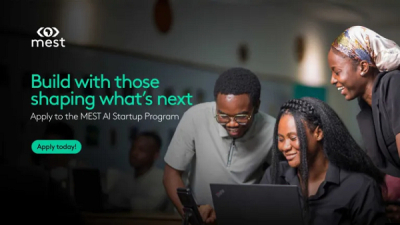
MEST technology school opened registration on Monday, May 25, for the second edition of its pan-African AI training program. The free seven-month program, aimed at young developers across the continent, will take place in Ghana. Participants will learn to build advanced AI applications under the guidance of industry experts, while the best projects may receive up to $100,000 in funding. Registration is open here.
Egyptian proptech startup Byit announced last week its expansion into the United Arab Emirates. Its AI-powered platform helps independent brokers match homebuyers with available properties. The expansion aims to connect Egyptian developers with Gulf investors. The company, which says it already has 40,000 brokers on its platform, is also planning to launch in Saudi Arabia soon.

Fintech company M-KOPA said on Wednesday it had extended more than 1.2 billion cedis (about $82 million) in credit to over 550,000 customers since launching operations in Ghana in 2021. Using a flexible daily payment model, the company enables low-income users to acquire smartphones and access the internet. For the first time, the devices also include health insurance. M-KOPA said the initiative has helped more than half of beneficiaries increase their income and improve their quality of life.

Nigerian fintech company Moniepoint will host a demo day on Tuesday, May 26, 2026, to conclude the second edition of its intensive coding bootcamp. Over nine weeks, young African developers were trained to build professional software applications while receiving a stipend. The best projects will be presented during the event, giving participants exposure to potential employers.

Facebook parent Meta is laying off about 8,000 employees worldwide as it shifts its focus to artificial intelligence (AI), with engineers bearing the brunt of the cuts. At the same time, the company is reassigning 7,000 employees to teams working on next-generation technologies. Chief Executive Mark Zuckerberg has made AI the company’s top priority, even at the cost of reducing headcount to fund digital infrastructure.
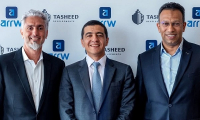
Egyptian startup ARRW has raised $4 million to expand its ride-hailing platform. The company, the first local app to secure an official licence, plans to use the funding to recruit drivers and strengthen its technology. ARRW is positioning itself against global competitors with a safer service tailored to local users.
Registration is now open for the 2026 Enugu Gaming Summit, taking place on July 30-31. Hosted in partnership with the Enugu State Gaming Commission, the event will bring together tech companies, investors and gaming enthusiasts. The summit will feature discussions on industry innovation, player safety and payment technologies. Free and paid tickets are available on the official website.
More...

Electric motorcycle leasing startup Spiro is expanding its vehicles and battery-swapping stations in Rwanda and Cameroon. Already operating in seven African countries, the company aims to replace fossil fuels with cleaner energy solutions. In Rwanda, it is also partnering with a local organization to train and finance women, helping them enter the fast-growing sustainable mobility sector.

Digital Africa, a French-backed initiative, is launching a $57 million fund to support African tech startups in 20 underserved markets often overshadowed by hubs such as Nigeria and Kenya. The fund will focus on early-stage ventures in healthcare, artificial intelligence and climate-related technologies.

Uganda’s Ministry of Technology has launched a call for local developers, universities and startups to submit software prototypes for the next generation of government IT systems. Applications are open until Saturday, May 30, ahead of an official presentation scheduled for June 25. The initiative aims to leverage local expertise to modernize public administration.

German programme develoPPP Ventures has launched a competition targeting early-stage African startups. Companies operating in countries including Côte d'Ivoire and Rwanda can receive up to €100,000 in non-dilutive funding. Applicants must already be generating revenue and secure matching funding from an external investor. Applications close on June 30.