-
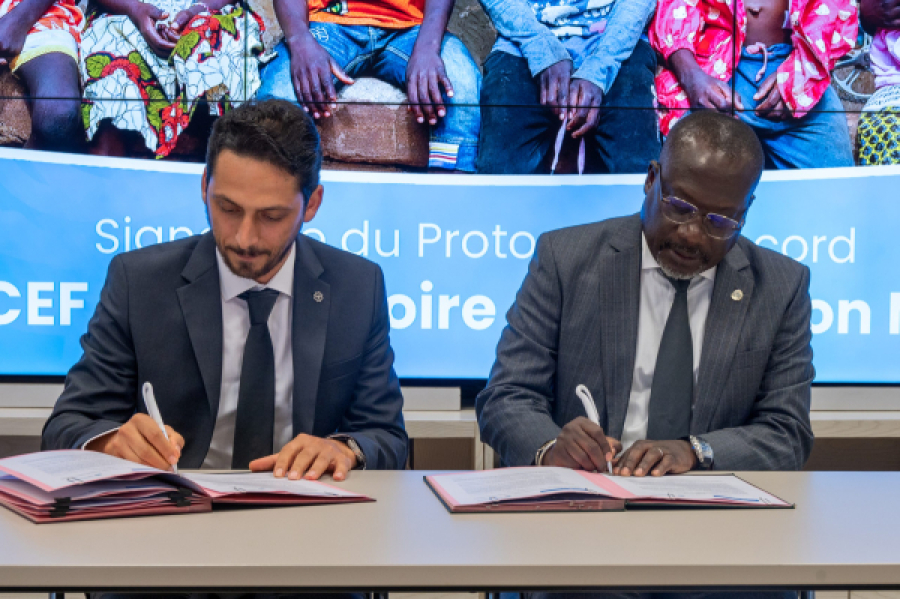
UNICEF and Maarif Foundation signed an agreement to expand digital and STEM education for girls.
-
The initiative will leverage the U-Report platform with over 3 million users to drive youth engagement.
-
Girls’ school enrollment rose to 83% in 2024 from 33% in 2011, but STEM participation remains low.
UNICEF Côte d’Ivoire and the Maarif Foundation signed a memorandum of understanding on April 7 in Abidjan. The agreement aims to strengthen digital inclusion and improve access to education for girls, with a particular focus on scientific disciplines.
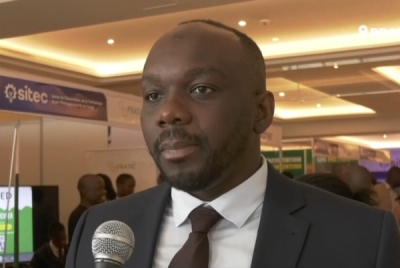
The two institutions concluded the partnership after one year of negotiations. They plan to reduce gender disparities in the Ivorian education system by directing more students toward STEM (Science, Technology, Engineering and Mathematics) fields, where girls remain historically underrepresented. “This protocol is an opportunity to emphasize girls’ participation in fields that are not traditionally theirs,” said Jean‑François Basse.
Moreover, the agreement includes the use of the youth digital platform U-Report. The platform, which has more than 3 million users in the country, will serve as a channel to promote civic engagement among young people, including in rural areas.
The partners aim to transform adolescents into agents of change while developing practical training programs to improve employability among the most vulnerable groups.
This collaboration comes as Ivory Coast accelerates efforts to modernize its education sector. According to data from the Ministry of National Education and Literacy, the girls’ enrollment rate increased from 33% in 2011 to 83% in 2024.
However, the transition toward technical and scientific fields remains a major challenge. The Maarif Foundation, which manages a growing international network of schools, will contribute pedagogical expertise to complement the humanitarian programs led by UNICEF.
Finally, the agreement builds on commitments made during last year’s technology festival. It also includes support for major national events such as the Fête de la Science, with the aim of creating a sustainable link between international institutions and the local education ecosystem.
Samira Njoya