

- Ethiopia will introduce digital registration for voters and candidates for the first time for the June 1, 2026 general elections.
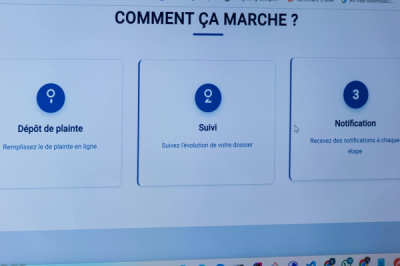
- The National Election Board of Ethiopia (NEBE) has launched operational digital platforms and begun training political party representatives.
- Voters will access online self-registration or tablet-assisted registration, supported by a call center and technical teams.
Digital tools continue to reshape electoral processes across Africa by easing access to registration and strengthening transparency. Ethiopia aligns with this trend as it moves to modernize the management of candidate and voter registration.
Ethiopia will introduce digital registration for voters and candidates for the first time during its seventh general elections scheduled for June 1, 2026. Melatwork Hailu, president of the National Election Board of Ethiopia (NEBE), announced the decision on Tuesday, December 9, during a press briefing that outlined the preparations for the vote.
NEBE has activated the digital registration platforms and has launched training for representatives of political parties. The system will allow candidates to register through a web interface or a mobile application. Voters will choose between self-registration online or assisted registration at centers equipped with tablets. NEBE has also set up a call center and deployed technical assistance teams to support users who face difficulties.
This digital shift fits into a broader plan to modernize Ethiopia’s electoral management. NEBE says it aims to improve transparency, efficiency, and accessibility in a context shaped by persistent security challenges, logistical constraints, and high expectations for governance. The introduction of digital tools should secure data, enhance administrative tracking of candidacies, and reduce the recurrent delays observed during registration phases.
Ethiopia counts more than 135 million inhabitants, and mobility remains restricted in several regions. Limited access to administrative centers also complicates participation. Digital registration could therefore ease voter engagement, particularly in rural or remote areas. However, the reform still faces significant constraints, including weak connectivity in many rural zones, unequal access to digital tools, cybersecurity risks, and the need to train users on these new systems.
If the system works as intended, Ethiopia could strengthen the reliability and efficiency of its electoral administration and lay the groundwork for a broader transformation of its democratic procedures.
This article was initially published in French by Samira Njoya
Adapted in English by Ange Jason Quenum