

- Madagascar converted CNTEMAD into a Public Virtual University backed by $3 million in financing.
- The university aims to enroll up to 49,000 students annually by 2029 and produce 10,000 additional graduates each year.
- The World Bank estimates that 230 million jobs in Sub-Saharan Africa will require digital skills by 2030.
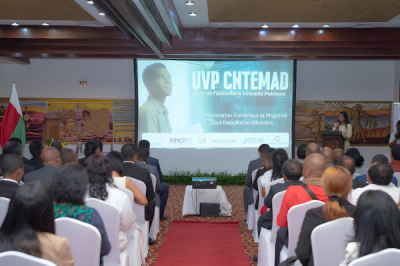
The National Center for Tele-Education and Distance Learning (CNTEMAD) has transitioned into a Public Virtual University. Authorities officially launched the project on February 20 in Antananarivo. The World Bank is supporting the initiative through its DECIM program to expand access to higher education via digital tools and strengthen Madagascar’s human capital.
The new digital university operates on a platform developed in partnership with SAYNA. The platform manages the entire student journey remotely, from enrollment to examinations and thesis defenses. The project seeks to address growing demand for university education, particularly in remote areas, while reducing logistical costs and modernizing teaching methods.
The government allocated $3 million in financing to the project. The Public Virtual University plans to enroll up to 49,000 learners annually by 2029 and to generate 10,000 additional graduates each year.
The reform aligns with Madagascar’s national strategy for human capital development and digital transformation. Afrobarometer reported that more than 40% of young people aged 18 to 35 were unemployed in 2024. Policymakers view access to market-relevant training as a strategic lever to improve employability.
Survey data identified lack of training or preparation as the main barrier to employment at 30%, followed by lack of experience at 27% and mismatch between academic qualifications and employer needs at 16%. These constraints highlight the need for innovative and inclusive education solutions.
In parallel, the Public Virtual University project includes modernization of technical infrastructure and expansion to 16 regional centers equipped with autonomous solar solutions. The infrastructure will ensure operational continuity in areas with limited electricity access.
The initiative complements national digital training programs such as ASAN’AI and Skills4Job, which aim to equip young people with in-demand competencies, particularly in digital professions and customer relations.
This article was initially published in French by Samira Njoya
Adapted in English by Ange J.A de Berry Quenum