

- Rwanda prepares a phased shutdown of 2G and 3G networks to boost 4G and 5G adoption.
- Authorities assess infrastructure readiness, economic impact, and risks tied to the transition.
- Limited smartphone access and rural coverage gaps remain key challenges to inclusion.
Rwandan authorities have initiated plans to gradually phase out 2G and 3G mobile technologies. The initiative aims to accelerate broadband development and adoption as part of the country’s ongoing digital transformation.
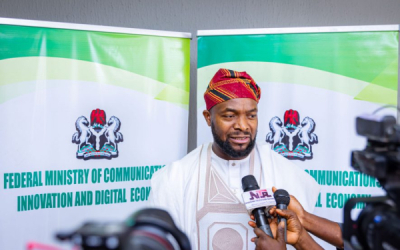
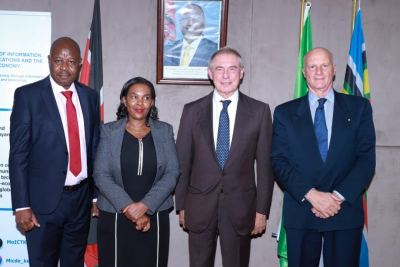
On Thursday, March 26, Paula Ingabire, Minister of ICT and Innovation, met device importers and private sector stakeholders. She aimed to discuss practical aspects of the transition and to identify ways to improve access to 4G- and 5G-compatible devices for all citizens.
Today, Minister @MusoniPaula met with device importers to discuss the next phase of Rwanda’s digital transition, with a particular focus on the gradual phase-out of 2G and 3G devices and the implications for both industry and citizens.
— Ministry of ICT and Innovation | Rwanda (@RwandaICT) March 26, 2026
The meeting provided an opportunity to… pic.twitter.com/HbXykEHOA8
A Transition Anchored in National Strategy
The migration to 4G and 5G networks forms part of the ICT Sector Strategic Plan 2024–2029, which defines Rwanda’s digital transformation framework.
In November 2024, the government, in partnership with Germany, launched a call for expressions of interest to conduct a technical assessment of the phased shutdown of 2G and 3G networks. The study aims to evaluate infrastructure readiness and the maturity of the technological ecosystem.
Moreover, the assessment examines the consequences of failing to transition, including rising maintenance costs for legacy networks, declining manufacturer support, and increased risks related to security and compliance. It also analyzes the impact on coverage, particularly in rural areas, and evaluates the ability of 4G and 5G networks to deliver inclusive, affordable, and high-quality connectivity.
The evaluation also addresses economic factors, including changes in average revenue per user (ARPU), potential revenue losses for operators, user migration conditions, constraints related to access to compatible devices, and effects on pricing and competition. It further considers regulatory challenges and energy efficiency requirements.
Rwandan telecom operators have already started to prepare for the transition. Airtel Rwanda announced in December 2024 its plan to phase out 3G by the end of 2025 and 2G by 2026, aligning with global trends and national broadband ambitions.
Emmanuel Hamez, then chief executive of Airtel Africa’s Rwandan unit, stated that the shift is “not only necessary, but inevitable,” as the operator builds a modern network capable of meeting the demands of a connected and digital society.
An Inevitable Shift Amid Digital Growth
Demand for high-speed connectivity continues to grow rapidly, and 3G has become too slow for many applications, particularly as user numbers and bandwidth needs increase. Rwandan authorities consider the transition essential to keep pace with global trends and the rise of data-driven applications, while gradually reducing reliance on traditional voice services.
Rwanda aims to leverage new technologies to reduce the digital divide, improve connectivity quality nationwide, and stimulate a sustainable and inclusive digital economy. The National Broadband Strategy highlights improved broadband access as a driver of productivity, innovation, efficiency, and job creation.
Across sub-Saharan Africa, many operators still maintain 2G networks to serve users without smartphones, ensure voice services in underserved areas, and support SMS. However, operators globally have begun phasing out 3G and early 4G generations to free up spectrum and support advanced 4G LTE and 5G deployment.
The World Bank estimates that shutting down legacy wireless networks can improve the efficiency of telecom investments in Africa by enhancing coverage and service quality. It states that maintaining these networks represents inefficient capital expenditure because their ARPU remains lower than that of 4G and 5G. It adds that retiring legacy networks allows operators to reallocate spectrum to more efficient technologies that deliver higher speeds and better service quality.
Persistent Challenges in Digital Inclusion
Despite the expected benefits, the transition to ultra-fast broadband raises concerns about digital inclusion. According to data from the International Telecommunication Union, 2G and 3G networks covered 98.8% of the population in 2024, a level comparable to 4G coverage. However, gaps may persist in certain rural or peripheral areas where newer networks remain uneven in quality and availability.
Beyond coverage, usage presents another challenge. Rwandan authorities reported that mobile broadband subscriptions reached 54% of the population in 2024, indicating incomplete adoption. Limited access to compatible devices remains a major constraint. Smartphones, which are essential to fully utilize 4G and 5G networks, were owned by only 45% of the population in 2024.
Additionally, data costs, digital literacy levels, and the relevance of available content continue to affect adoption.
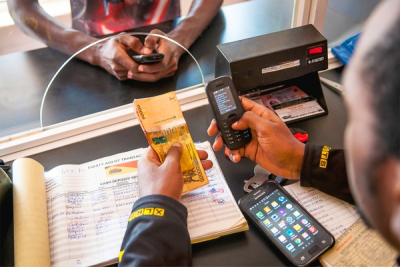
Furthermore, 2G and 3G networks still support specific professional uses, particularly machine-to-machine (M2M) communications. Devices such as electronic payment terminals, ATMs, smart meters, and certain industrial and transport systems continue to rely on these technologies. Consequently, stakeholders must address their capacity to migrate to reliable alternative solutions.
This article was initially published in French by Isaac K. Kassouwi
Adapted in English by Ange J.A de Berry Quenum