

-
LifeBank uses data and logistics to deliver blood, oxygen, and medical supplies directly to hospitals.
-
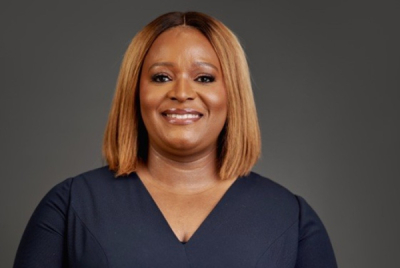
Founder Temie Giwa-Tubosun launched the startup in 2015 to streamline fragmented medical supply chains.
-
The platform acts as a one-stop shop, centralizing procurement and reducing delivery delays.
Nigerian-American entrepreneur Temie Giwa-Tubosun has developed a technology-driven solution to address persistent gaps in access to critical medical resources, as healthcare systems face ongoing supply chain constraints.
She has targeted a major challenge affecting many health systems. Consequently, her solution aims to improve rapid access to life-saving resources.
LifeBank, which she founded in 2015, uses data and technology to locate and deliver essential medical products. The company enables hospitals to access vital resources, including blood, oxygen, consumables, and certain medical equipment, through direct on-site delivery.
LifeBank positions itself as a one-stop platform for healthcare providers. It allows hospitals to centralize orders without relying on multiple intermediaries. As a result, the company simplifies procurement processes and improves operational efficiency.
The company relies on a streamlined operating model. Hospitals place orders through the platform, while LifeBank identifies the most suitable suppliers and manages the entire logistics chain through to delivery. The company sources products from a network of carefully selected partners, which ensures quality standards, timely delivery, and optimal storage conditions.
Giwa-Tubosun earned a bachelor’s degree in political science in 2007 from Minnesota State University. She later obtained a master’s degree in public administration in 2010 from the Middlebury Institute of International Studies at Monterey, where she specialized in international management, health systems, and health financing.
She began her career as a health analyst at Fairview Health Services in the United States. In 2011, she joined the Millennium Villages Project in Uganda as a health systems quality improvement coordinator. The program aimed to help rural African communities exit extreme poverty.
Between 2013 and 2014, she served as director of operations at the Lagos State Office of Facility Management and Maintenance, where she oversaw operational management functions.
This article was initially published in French by Melchior Koba
Adapted in English by Ange J.A de Berry Quenum