




Brief_simple (559)

Digital Africa, a French-backed initiative, is launching a $57 million fund to support African tech startups in 20 underserved markets often overshadowed by hubs such as Nigeria and Kenya. The fund will focus on early-stage ventures in healthcare, artificial intelligence and climate-related technologies.

Global tech conference Web Summit will hold its first African edition in Cape Verde this December, marking a milestone for the island nation’s growing digital ambitions. Organizers said the country was chosen for its investments in the digital sector and its strategic geographic position. The event is expected to bring together African entrepreneurs, investors and global tech players to strengthen innovation across the continent.
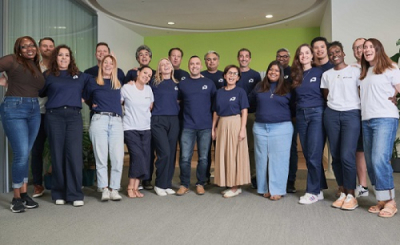
On Wednesday, May 13, JuiceMe announced the acquisition of Ajiraworks as part of its expansion in Africa. Ajiraworks founder Catherine Ochako will join JuiceMe’s leadership team to lead the initiative. The deal will allow international companies to hire, pay and manage local employees across Africa while complying with local regulations. By integrating Ajiraworks’ systems, JuiceMe aims to position itself as a partner for companies seeking to quickly expand on the continent.

Fintech company Happy Pay announced on Wednesday, May 13, a partnership with Ozow to offer buy-now-pay-later services to South African merchants. Under the agreement, shoppers will be able to pay for purchases in monthly installments, with no upfront payment or interest charges. The solution integrates into e-commerce platforms, helping retailers attract new customers while giving consumers access to a flexible and secure payment option at no extra cost.

On Monday, May 11th, Eswatini's Ministry of Technology launched the "Startup World Cup" initiative to drive innovation. The program gives young local entrepreneurs a pathway to turn their ideas into real businesses and connect with global investors. The kingdom is looking to create jobs and make its mark on the world stage, with winners even getting a shot at competing in Silicon Valley.

Sales app Bumpa and financial platform Vendorcredit have partnered to launch “Bumpa Capital,” a financing solution designed to support Nigerian merchants. The service uses merchants’ sales data to speed up access to loans, reducing the administrative hurdles associated with traditional bank financing. Through the partnership, thousands of small and medium-sized businesses will gain access to more flexible growth financing directly through the platform they already use to manage daily operations.

The SIA Startup Foundry accelerator program announced its latest cohort last week. Fifty-six early-stage startups from Nigeria, Ghana and Ethiopia will take part in an intensive month-long boot camp aimed at refining their business models. At the end of the program, ten finalists will be selected, with six receiving funding. The initiative seeks to help entrepreneurs turn tech ideas into viable businesses at a time when access to capital remains a major challenge.

The cryptocurrency payment platform Breet is launching a $10,000 equity-free grant for African digital finance teams. The initiative targets established projects in payments, stablecoins, and banking infrastructure. Finalists will pitch their solutions at the Africa Technology Expo 2026 before an audience of investors, regulators, and industry leaders.

In Nigeria, fintech giant Flutterwave and the Activate Success International Foundation announced a partnership on Wednesday, April 29, to support more than 30,000 young entrepreneurs. The initiative will provide payment tools and targeted training to help business owners run their operations and accept international payments. As of 2025, more than 50 million naira has already been disbursed to fund projects and support startup creation.

In Nigeria, paying for games and digital services remains a major challenge for many gamers. To address this, content creator PlaywithTomide has partnered with OneDosh, a platform that simplifies international payments. The aim is to provide a reliable solution that integrates easily into gamers’ habits, making transactions simpler and more seamless.
More...

The UK-Nigeria Tech Hub has launched a fund to develop digital and AI skills across Nigeria’s film, fashion and music sectors, aiming to support creators and deepen collaboration with the UK. The initiative seeks to help professionals use technology to create, innovate and scale their businesses in the creative industries.

The international fintech platform Yuno announced on Tuesday, April 28, that it has entered into a strategic partnership with Nigerian fintech firm Flutterwave to facilitate expansion into African markets. With a single integration, merchants can now instantly accept card, bank transfer and mobile money payments across multiple countries. The collaboration reduces costs and technical overhead, making it easier for international companies to access the African digital economy through a centralized dashboard.
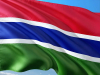
Gambian startup Ba2kayIce has launched “Safe Gambia,” a web app aimed at improving public safety. The free tool allows residents and tourists to report incidents in real time, using user-generated data to help protect communities and visitors. The initiative seeks to strengthen security systems by encouraging public participation.

At the “Future of Commerce” summit held on Wednesday, April 22, in Lagos, delivery platform Glovo and industry experts called for closer collaboration to drive innovation.
The initiative aims to support Nigerian small and medium-sized enterprises (SMEs) in their shift to the digital economy. By improving access to digital tools and payment systems, participants hope to create a more inclusive business environment and boost trade across the country.