




Brief_simple (559)

Nigerian startup Riwe has secured UN funding to expand its climate insurance services for smallholder farmers. The project uses satellite data to automatically compensate farmers when droughts or floods occur. With the funding, the company plans to provide affordable insurance coverage, weather alerts and access to loans to more than 15,000 farmers, helping protect their crops from climate-related losses.

WhatsApp is rolling out a new feature aimed at detecting scam messages. The system will analyze suspicious messages from unknown numbers directly on users' devices rather than sending them to external servers. This allows the app to identify potential scams in real time while preserving privacy, as chats remain end-to-end encrypted. Users will receive an alert allowing them to block suspicious contacts.
Startup Esca Finance has partnered with the MANSA platform to offer same-day international money transfers. The partnership uses stablecoins to bypass delays associated with traditional banking systems. The technology allows money transfer operators to avoid holding large amounts of capital overseas to settle transactions destined for markets such as Nigeria, Ghana and Francophone Africa.
The investment fund Catalyst Fund has crossed the $30 million mark to support green innovation in Africa. The capital will be used to back early-stage startups developing technologies to tackle climate challenges. The goal is to help vulnerable populations adapt to droughts and floods through projects in clean energy, sustainable agriculture, and water management.

The international money transfer app YouSend is now available in the UK and Canada, enabling African immigrants to send money home quickly and securely. Powered by advanced digital payment technology, 95% of transfers to Nigeria, Ghana, Kenya, and Tanzania are completed in under two minutes. The company emphasizes fast transfers, transparent pricing, and 24/7 customer support.
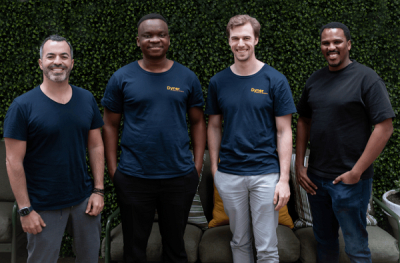
Last week, South African fintech firm Yoco announced the acquisition of Dyner.ai, a startup that develops AI-powered software for restaurants. Yoco, which already helps more than 200,000 small businesses accept card payments, plans to integrate the technology into its platform to simplify day-to-day operations for clients. The deal will give small merchants access to AI tools that can help manage inventory and reduce costs.

The CcHUB innovation center is expanding its long-standing headquarters in Lagos, Nigeria. For the first time in fifteen years, the incubator is offering private offices to accommodate rapidly growing startup teams. The aim is to preserve its collaborative culture while providing spaces tailored to companies scaling beyond the startup stage, helping foster mutual support and local innovation.

Converted, a U.S.-based AI-powered advertising company, has acquired Egyptian online fashion platform Mitcha. The deal will enable the two companies to launch a tool that links digital advertising directly to in-store sales. Mitcha founder Hilda Louca will join Converted’s executive leadership team to lead the technology’s development and rollout across the region.

IT integrator Velmie announced on Monday a partnership with Ivorian ride-hailing startup Flot to launch a digital bank in Africa. The partnership will support the rollout of a mobile banking app offering business accounts, payment cards and money transfer services. Using Velmie’s turnkey technology, the venture aims to reduce development costs while adapting to regulatory requirements across African markets.

Egyptian proptech startup Byit announced last week its expansion into the United Arab Emirates. Its AI-powered platform helps independent brokers match homebuyers with available properties. The expansion aims to connect Egyptian developers with Gulf investors. The company, which says it already has 40,000 brokers on its platform, is also planning to launch in Saudi Arabia soon.
More...

Fintech company M-KOPA said on Wednesday it had extended more than 1.2 billion cedis (about $82 million) in credit to over 550,000 customers since launching operations in Ghana in 2021. Using a flexible daily payment model, the company enables low-income users to acquire smartphones and access the internet. For the first time, the devices also include health insurance. M-KOPA said the initiative has helped more than half of beneficiaries increase their income and improve their quality of life.

Facebook parent Meta is laying off about 8,000 employees worldwide as it shifts its focus to artificial intelligence (AI), with engineers bearing the brunt of the cuts. At the same time, the company is reassigning 7,000 employees to teams working on next-generation technologies. Chief Executive Mark Zuckerberg has made AI the company’s top priority, even at the cost of reducing headcount to fund digital infrastructure.

Egyptian startup ARRW has raised $4 million to expand its ride-hailing platform. The company, the first local app to secure an official licence, plans to use the funding to recruit drivers and strengthen its technology. ARRW is positioning itself against global competitors with a safer service tailored to local users.

Electric motorcycle leasing startup Spiro is expanding its vehicles and battery-swapping stations in Rwanda and Cameroon. Already operating in seven African countries, the company aims to replace fossil fuels with cleaner energy solutions. In Rwanda, it is also partnering with a local organization to train and finance women, helping them enter the fast-growing sustainable mobility sector.