



Brief_simple (559)

Investment firm Anterra Capital has raised $100 million and is targeting a final close of $200 million to back agricultural and food technology companies. Amid mounting climate challenges and a global slowdown in investment, the firm is focusing on practical, scalable solutions. In particular, it is leveraging artificial intelligence to modernize agricultural supply chains and accelerate biotech research, supporting an industry that employs more than one billion people worldwide.
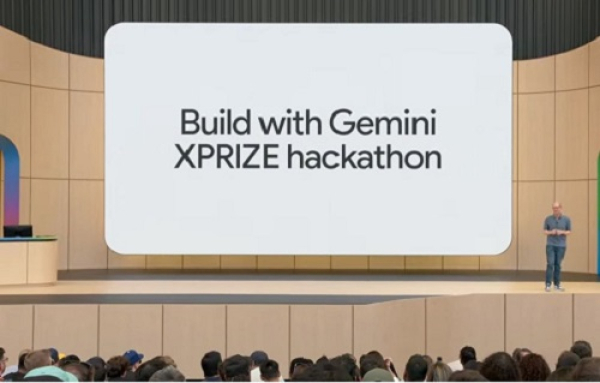
The XPRIZE Foundation and Google have launched the global “Build with Gemini” competition. With a $2 million prize pool, the hackathon invites developers, creators, and researchers to build practical applications using Google’s Gemini AI. Projects should address real-world challenges in areas such as healthcare, education, and climate change. Applications are open until Tuesday, June 23, 2026.

Private equity firm Holocene has closed its inaugural climate-tech fund focused on Southern Africa. In just 18 months, the fund has backed ten local startups, creating more than 500 jobs. Its portfolio includes circular-fashion ventures and e-mobility companies developing electric motorcycles and battery-swapping stations. In addition to funding, the startups receive hands-on operational support to help them scale.

On Monday, June 8, DevCareer and Nomba launched a five-week competition in Nigeria for teams of software developers. Running through July 18, the challenge invites participants to create innovative payment solutions tailored to the Nigerian market. In addition to cash prizes, top-performing participants will have the opportunity to join a professional development partnership program and gain support in launching their careers.

On Tuesday, June 9, global financial platform Yuno announced a partnership with pan-African network Onafriq aimed at simplifying e-commerce payments across Africa. Through the partnership, merchants worldwide can accept payments and send funds to one billion mobile wallets and 500 million bank accounts across the continent. This single-system approach eliminates the technical and regulatory hurdles typically caused by Africa's fragmented markets.

On Tuesday, June 9, Nigerian startup Myka announced it has secured seed funding to expand its operations. Founded in 2025, the digital platform allows individuals and small businesses to compare and buy insurance policies in real time. By partnering with major insurers, the startup aims to make insurance products, including health, auto, and home coverage, more accessible in a country where insurance penetration remains very low.
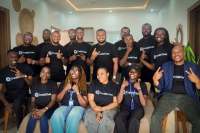
Nigerian fintech startup CreditChek has raised $600,000 to expand its services into Kenya, Uganda, and Rwanda. Founded in 2022, the company uses AI to help banks and other financial institutions verify borrowers' identities and income. The technology reduces default risk while expanding access to credit for small businesses and individuals.

MassChallenge has selected 193 startups for its accelerator program, including 14 from Africa. Nigeria's Bridge Merchant, Cameroon's CornHouse, and Zambia's Entomo Farm were chosen from a global pool of nearly 2,000 applicants. These agriculture-focused startups will take part in a four-month mentorship program and compete for funding in October to help scale their businesses.

Nigerian ride-sharing platform Shuttlers has just reached the 10-million-ride milestone. To make commuting even easier, the company has partnered with Google Maps. Moving forward, professionals and daily commuters can find Shuttlers' bus routes directly in Google Maps. The new integration provides commuters with a more reliable and affordable way to avoid major traffic congestion while planning their journeys.
Yamify has secured funding to scale its platform and expand access to artificial intelligence tools across Africa. The service allows developers to deploy high-performance computing resources in under a minute through local data centres. With the new funding, the startup plans to expand its operations with its technology partners and support the growth of digital infrastructure across the continent.
More...

Nigerian payments company Interswitch has partnered with software provider Temenos to offer banking technology services across Africa. In addition to transaction processing, the company will integrate account management and financial crime prevention tools. The partnership will help banks modernize legacy systems to meet growing demand for digital banking services.

Aions Ventures has launched a new fund dedicated to supporting South African tech startups. With $6.1 million in funding, the program will help entrepreneurs bring their innovations to market and scale their businesses. The fund primarily targets startups in the digital economy, renewable energy and water management sectors, while also providing strategic mentorship to help founders develop sustainable growth strategies.

At its Conversations 2026 conference on Wednesday, June 3, Meta unveiled Business Agent, an AI tool designed to automate customer service across WhatsApp, Messenger and Instagram. The chatbot provides instant multilingual responses to customer inquiries, recommends products and can complete sales transactions. Available at no cost for now, it allows merchants to engage with customers without relying on round-the-clock human support.

FSDH Bank is partnering with two investment funds to launch a training program for female tech leaders in Nigeria. The initiative aims to address the funding gap faced by women entrepreneurs. Participants will learn how to strengthen their financial management and attract investors, while selected projects may qualify for loans and investments of up to $1 million.