




Brief_simple (559)
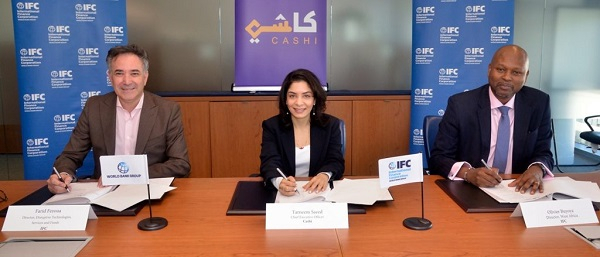
The fintech company Cashi is partnering with the International Finance Corporation (IFC) to roll out an interoperable digital payments platform in Central Africa, initially targeting Chad. The platform, accessible via mobile phones, payment terminals and SMS, is designed to facilitate everyday transactions, reduce reliance on cash and broaden access to financial services, particularly for small businesses and underserved populations.

The investment firm Novastar Ventures has closed its third fund, worth $147 million, to back high-impact African startups, particularly in climate, clean energy, mobility, and logistics.
Backed by major Japanese investors and development finance institutions, the fund aims to accelerate the growth of companies delivering both financial returns and social and environmental impact.

South Africa is modernizing its ID card application process by offering it through selected banks. Citizens can either start the process online and complete it at a branch or, at selected banks, complete the entire process on-site using digital services. Applicants must bring their ID documents, proof of address, and pay the required fees; they will receive a text message once their card is ready for collection.
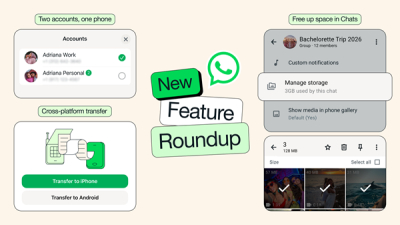
WhatsApp is rolling out new features aimed at improving user experience. Users can now manage storage more easily, transfer chats between iOS and Android, and run two accounts on a single iPhone. The update, being released gradually worldwide, also adds sticker suggestions, photo editing tools and AI writing assistance.
Circle and Sasai Fintech have partnered to integrate USDC (USD Coin), a dollar-pegged digital currency, into Sasai’s payment and mobile wallet services across Africa. The aim is to reduce costs, delays and friction in transfers, particularly cross-border transactions. The partnership also seeks to give African individuals and businesses access to an open, always-on financial infrastructure.
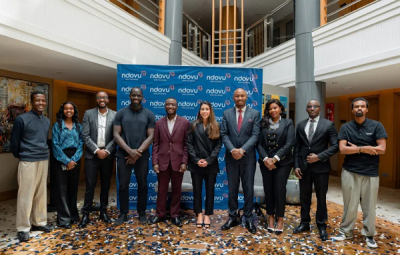
Kenyan fintech Ndovu Wealth has launched Kibaba, a multi-asset collective investment fund denominated in Kenyan shillings and U.S. dollars. Targeting medium- to long-term investors, it requires a minimum investment of 250,000 shillings ($2,500) and aims to mitigate volatility through diversification across equities, bonds, real estate, index funds and commodities.

The Shell Foundation and Startup Discovery School are launching the West Africa Aggregator Platform, a one-year pilot in Ghana and Senegal to test new delivery models for low-carbon agricultural technologies. The initiative aims to reduce the cost of access for women smallholder farmers, improve crop yields, and increase incomes by at least 20%, with a target of reaching 200,000 women farmers by 2030.

South African fintech Happy Pay has raised $5 million to scale its interest-free installment solution, in which merchants absorb the cost of monthly payments in return for higher conversion rates. The funding will support the expansion of its merchant network, reinforce its online and in-store presence, and improve its risk assessment and fraud detection capabilities.

Namibia has launched a startup accelerator in Windhoek to support the country’s startup ecosystem. Named Accelerate36, the initiative aims to help young companies scale, attract investment, and eventually list on the Namibia Stock Exchange’s SME board. Three local startups have already presented projects focused on education, healthcare, and digital skills.

South African sales management software startup Skynamo has been acquired by UK-based Klipboard Group. The company will continue to operate under its own brand, with additional resources to strengthen its platform and serve manufacturers, wholesalers and distributors. The deal is expected to expand its presence in Southern Africa, the UK and the United States.
More...

The Botswana Innovation Fund and Scalar International have launched the Scalar Botswana Innovation Program, a 12-month accelerator supporting ten startups in climate tech and digital technologies. Selected firms will gain access to a $150 million fund targeting decarbonization in Southern Africa, aimed at scaling sustainable energy solutions and digital infrastructure.

The Algerian digital platform Yassir is acquiring Uno hypermarkets from the Cevital Group, expanding its super-app model into retail. The stores, to be renamed Yassir Market, are set to become digitally integrated retail locations connected to the payment, delivery, and e-commerce services the company already offers in several countries.

WhatsApp is launching accounts specifically designed for children under 13, configured and controlled by their parents. The new accounts provide access only to basic calling and messaging features. Advertising will not appear on these accounts, and several advanced tools such as channels and status updates will not be available. The system is designed to give parents tighter oversight of their children’s activity on the platform. Parents can choose which contacts are approved, receive alerts when certain actions are taken by the child, and manage privacy settings.

Meta is rolling out new anti-scam tools across Facebook, WhatsApp and Messenger. Facebook will introduce alerts about suspicious friend requests, while WhatsApp will warn users about fraudulent attempts to link accounts. Messenger will also use AI to detect scam messages and prompt users to block or report suspicious accounts.