
-
Burkina Faso connected 370 localities to telecom networks in 2025, expanding Internet and phone access.
-
The government achieved 91% of its 2025 digital objectives, including 272 online public service platforms.
-
Authorities plan to enroll 7 million citizens in a unique electronic ID system and cover 750 additional localities in 2026.
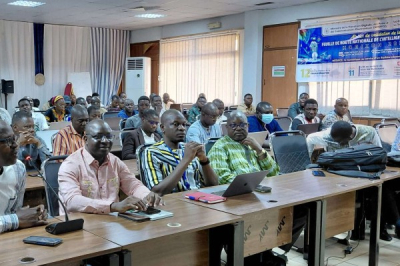
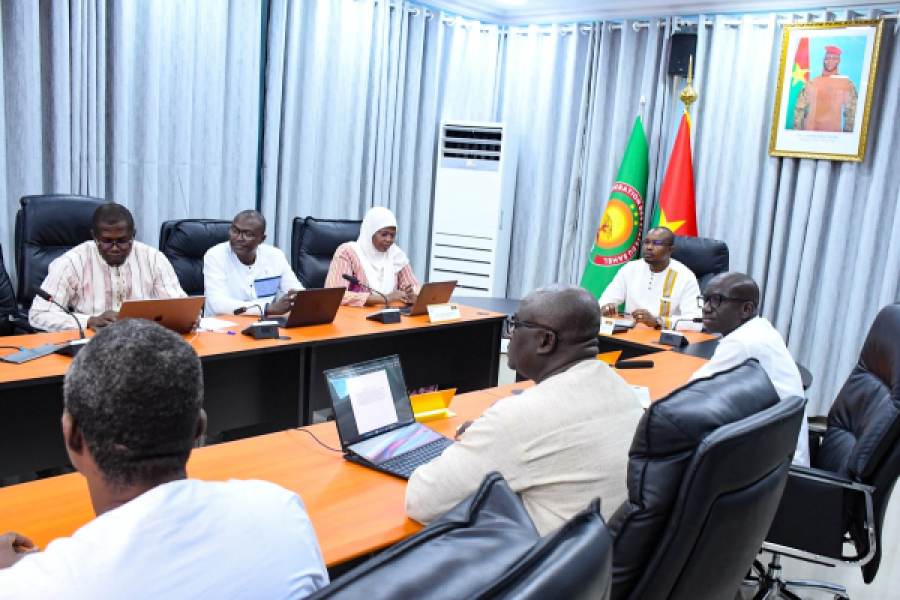
Burkina Faso reported significant progress in implementing its 2025 digital development objectives. The Ministry of Digital Transition, Posts, and Electronic Communications achieved a 91% completion rate, the government said during a review session chaired by Prime Minister Rimtalba Jean Emmanuel Ouédraogo on February 3.
The ministry described 2025 as a “pivotal year” for digital transition. It connected 370 new localities to telecom networks, giving residents their first access to phone and Internet services, and reducing the digital divide.
Authorities also accelerated public administration modernization. They developed or deployed 272 online service platforms, with 146 already operational, facilitating citizen and business access to government services. In addition, the government and La Poste signed an agreement to build 20 “Zama Tchéy” citizen centers, targeting vulnerable populations to improve digital inclusion.
For 2026, the ministry plans to build on these gains. It will implement a unique electronic identification system, aiming to enroll seven million people by year-end. Officials also plan to extend telecom coverage to 750 additional localities, establish a dedicated government network, and develop national messaging and collaboration tools.
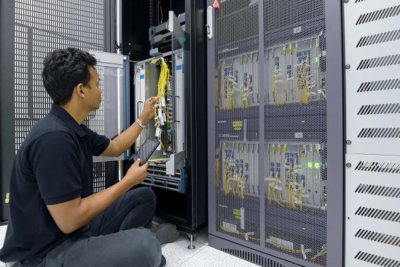
The ministry inaugurated a digital infrastructure supervision center in January 2026 to strengthen cybersecurity and manage critical systems. It allocated 61 billion CFA francs (about $109.7 million) to implement these initiatives.
Despite progress, Burkina Faso faces structural challenges. Internet penetration remains low at 22.4%, with 5.42 million users at the end of 2025, according to DataReportal. Mobile connections totaled 29.3 million, or 121% of the population, indicating room to expand digital services.
This article was initially published in French by Samira Njoya
Adapted in English by Ange J.A de BERRY QUENUM