
- DR Congo will officially launch RDC-PASS, its national digital identity platform, on June 13 as part of the “DRC 2030 Digital Nation” strategy.
- The government values the project at $97.1 million under a 20-year public-private partnership with Singapore-based Trident Digital Tech Holdings.
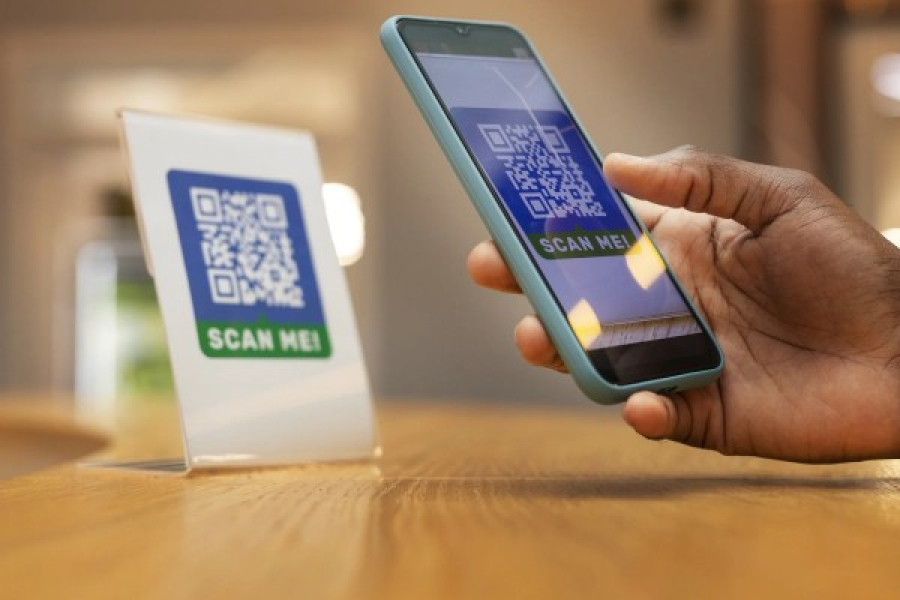
- The system will support biometric SIM registration, e-government access, automated e-KYC services and secure digital identities.
The Democratic Republic of Congo (DRC) is preparing to launch RDC-PASS, a national digital identity system that authorities view as a cornerstone of the country's digital transformation agenda. The government plans to officially unveil the platform on June 13 in Kinshasa under the patronage of President Félix Tshisekedi as part of the “DRC 2030 Digital Nation” strategy.
Authorities have presented RDC-PASS as a unique, secure and free digital identifier. The system aims to provide every citizen with an interoperable digital identity that can support access to administrative, financial and social services.
The government expects the platform to reduce bureaucratic inefficiencies, curb document fraud and improve access to public services in a country where identification systems remain fragmented and unevenly accessible.
A Strategic Project Valued at $97.1 Million
The Ministry of Planning estimates the cost of developing RDC-PASS at $97.1 million. The government launched the project through a public-private partnership signed in June 2025 with Trident Digital Tech DRC Africa SAS, a subsidiary of Singapore-based Trident Digital Tech Holdings.
The agreement grants the company exclusive rights to provide electronic know-your-customer (e-KYC) services for 20 years. The system relies on Web 3.0 technologies and advanced digital verification mechanisms.
Trident Digital Tech Holdings has also announced that it raised $2.6 million to support the project's initial deployment phase and the commercialization of the system in the Congolese market.
Several African countries have already implemented comparable initiatives. Nigeria has enrolled tens of millions of citizens through its National Identification Number (NIN) system, while Kenya has expanded digital identity adoption through integrated e-government services.
An Architecture Built Around Secure Identification and Integrated Services
RDC-PASS will support four primary use cases. The platform will enable biometric authentication of SIM cards to reduce fraudulent mobile phone registrations. The system will also provide unified access to e-government platforms through a single digital identifier.
In addition, the platform will integrate automated e-KYC capabilities for financial services providers. It will also issue secure digital identities that complement existing physical identification documents. The architecture positions the digital identifier as a central gateway to both public and private services. The framework promotes interoperability among government agencies, telecommunications operators and financial institutions.
Phased Deployment and Digital Sovereignty Challenges
Authorities plan to deploy the system in stages. The rollout will include technical audits, pilot testing and a gradual scale-up following the official launch. However, the project raises issues that extend beyond technology implementation.
Questions surrounding data sovereignty, data storage and data management remain central to discussions about the initiative. Stakeholders continue to examine the implications of entrusting a foreign private-sector partner with managing key components of the system under a 20-year agreement.
A Cornerstone of Congo’s Digital Strategy
RDC-PASS forms part of a broader government plan to invest $1 billion in digital development between 2026 and 2030. The government considers digital identity a foundational infrastructure layer alongside connectivity networks and e-government platforms. However, the project's long-term success will depend on its ability to achieve mass adoption and integrate seamlessly across public and private sector services throughout the country.
This article was initially published in French by Samira Njoya
Adapted in English by Ange J.A de Berry Quenum