

- Mauritius plans to introduce an identity verification mechanism for social media users to combat rising cyber fraud, impersonation and illegal online content.
- Authorities recorded more than 2,300 online harm cases since the start of 2026, while the country logged 6,073 cyber incidents in 2025.
- The government will consult stakeholders on the system’s technical design, data protection safeguards and integration with global digital platforms.
Mauritius plans to strengthen oversight of online activities through a proposed identity verification mechanism for social media users as authorities confront a rise in digital fraud, identity theft and harmful online content.
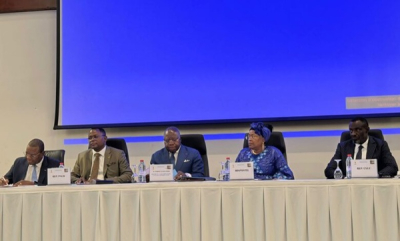
The Ministry of Information Technology, Communication and Innovation will launch consultations with stakeholders to design a framework for verifying the identities of users on digital platforms. The government announced the initiative following the Cabinet meeting held on Friday, June 5.
Authorities said the proposal responds to a growing number of online abuses. The government specifically targets fake accounts, identity theft, misinformation, hate speech, defamatory content, digital fraud and content linked to child sexual exploitation.
According to Information Technology Minister Avinash Ramtohul, authorities have already received more than 2,300 reports of online harm since the beginning of 2026.
Officials identified social engineering scams as one of the most pressing threats. Fraudsters use these schemes to deceive victims into disclosing verification codes or personal information, which enables criminals to take control of messaging or social media accounts.
The initiative comes as Mauritian authorities face mounting pressure to strengthen cybersecurity defenses. Data presented by the Mauritian Computer Emergency Response Team, CERT-MU, showed that the country recorded 6,073 cyber incidents in 2025. Those incidents included 913 cases involving digital fraud and online scams.
Meanwhile, agencies responsible for combating cybercrime reported a sustained increase in investigations. Authorities handled more than 930 cases linked to online scams and fraud between January 2023 and January 2026. Those investigations resulted in 130 arrests.
Beyond fraud prevention, the proposal has raised questions about privacy protection and freedom of expression. Several African countries have already introduced measures to strengthen online user identification.
In Gabon, for example, an ordinance published in April 2026 ended anonymity on digital platforms. The measure requires users to provide identifying information, including their name, residential address and personal identification number, as part of efforts to combat disinformation, illegal content and online abuse.
For Mauritius, policymakers now face the challenge of balancing digital security objectives with the protection of individual rights. The planned consultations will determine the system’s technical requirements, its interaction with international digital platforms and the safeguards that will protect personal data.
At the same time, authorities aim to strengthen trust in the digital ecosystem as cyber threats become increasingly sophisticated, while preserving the fundamental rights of internet users.
This article was initially published in French by Samira Njoya
Adapted in English by Ange J.A de Berry Quenum