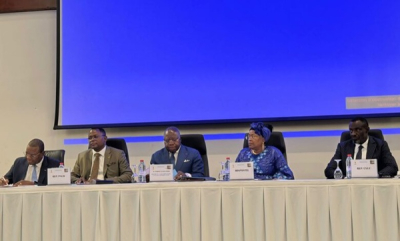


- Morocco’s Ministry of Digital Transition and the National Police signed a framework agreement to modernize citizen reception services across police facilities.
- The partnership will deploy pilot projects and digital infrastructure before expanding reforms nationwide.
- The initiative builds on the DGSN’s broader digital transformation strategy, including the launch of the E-Police platform in 2024.
The Ministry of Digital Transition and Administrative Reform and the General Directorate of National Security (DGSN) signed a framework agreement in Rabat on Wednesday, June 3, to enhance citizen reception services across police stations and security facilities nationwide.
Minister Delegate for Digital Transition Amal El Fallah Seghrouchni and DGSN Director General Abdellatif Hammouchi signed the agreement.
The agreement provides for the implementation of pilot programs and the development of digital and physical infrastructure aimed at modernizing reception conditions within police stations and security services.
The two institutions will test new service models before extending them progressively across the country. Authorities expect the pilot phase to evaluate operational effectiveness and support a broader national rollout.
Beyond infrastructure modernization, the agreement seeks to strengthen institutional cooperation between the two entities.
The partnership aims to support the modernization of police public services while integrating security administration more closely into Morocco’s broader public-sector digital transformation program.
The initiative forms part of a wider modernization effort that Morocco’s national police have pursued for several years.
In late 2024, the DGSN launched the E-Police platform, which allows citizens to complete several administrative procedures online. The platform enables users to request police documents, schedule appointments and track selected procedures remotely.
The institution has also developed a digital ecosystem based on digital identity solutions and the gradual dematerialization of administrative services.
According to the DGSN, this strategy aims to reduce in-person visits, accelerate request processing and strengthen personal data protection.
The agreement signed in Rabat also supports Morocco’s broader objective of extending service-quality standards across public administrations.
The framework includes an experimentation phase through pilot projects. Authorities will use the results of those projects as the basis for wider deployment across DGSN structures nationwide.
Samira Njoya