

- Cameroon is seeking financing for DIGI-CoR, a CFA92 billion ($163 million) program aimed at accelerating the digital transformation of decentralized local governments.
- The initiative will deploy digital infrastructure, improve connectivity and establish interoperable platforms to modernize local public services.
- Authorities estimate that the program could create more than 9,200 direct, indirect and induced jobs over three years.
Cameroon is seeking funding to implement DIGI-CoR, a CFA92 billion ($163 million) program designed to accelerate the digital transformation of the country's decentralized local authorities.
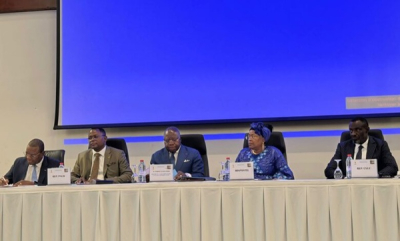
The government presented the initiative to technical and financial partners in Yaoundé on Tuesday, June 2. The project aims to modernize local administration, expand access to digital public services and reduce regional disparities in connectivity and digital equipment.
The initiative comes as digital projects continue to emerge across Cameroon's municipalities and regions, although deployment remains uneven from one territory to another. Authorities are promoting a coordinated approach to improve interoperability among systems and enhance the quality of services delivered to citizens.
DIGI-CoR 🇨🇲💻 : 92 milliards FCFA pour digitaliser les CTD, moderniser les services publics et créer plus de 9 200 emplois. Gouvernement et partenaires mobilisés à Yaoundé pour son financement. #MINDDEVEL #DIGICoR #Décentralisation pic.twitter.com/gIs9tcI4VA
— MINDDEVEL (@MINDDEVEL1) June 2, 2026
The DIGI-CoR program will deploy digital infrastructure, improve connectivity, equip local authorities with information technology and energy systems, and establish interoperable digital platforms.
The government aims to enable existing administrative systems to communicate with one another more effectively. Authorities expect this interoperability to improve information sharing and increase public-service efficiency.
The initiative targets significant gaps in local digital readiness. According to data presented by the government, 68.5% of decentralized local authorities lack structured computer networks, while 57.8% do not employ personnel specifically trained in digital tools.
These shortcomings continue to slow the modernization of administrative services, even as municipalities and regional governments assume a growing role in local development.
DIGI-CoR will also promote the sharing of digital infrastructure to reduce investment and operating costs. Rather than developing isolated systems, local authorities will rely on shared resources for data hosting, cybersecurity and digital-service management.
In addition, the program will strengthen the skills of public-sector employees and establish a regulatory framework aimed at harmonizing digital transformation efforts across the country.
Authorities expect the initiative to simplify administrative procedures, shorten processing times and improve public access to information. At the same time, local governments should benefit from stronger local revenue mobilization, more efficient administrative management and enhanced data-driven decision-making tools.
The project builds on several digitalization programs already underway in Cameroon. Authorities have developed 335 municipal portals through earlier local-government digitalization programs.
In addition, 145 local authorities have already received equipment financed by the Special Fund for Equipment and Inter-Municipal Intervention (FEICOM).
However, the government believes that these initiatives remain fragmented and insufficiently interconnected, limiting their impact at the national level.
Government projections indicate that DIGI-CoR could generate more than 9,200 direct, indirect and induced jobs over a three-year period. Authorities expect young people and women to secure a significant share of those opportunities.
The government views the initiative as a key lever for accelerating the modernization of territorial administration while supporting the growth of Cameroon’s local digital economy.
Samira Njoya