- Morocco and Orange Maroc signed a memorandum of understanding to accelerate the testing and deployment of artificial intelligence solutions.
- The partnership will focus on e-government, e-health, e-education and e-agriculture as part of the country’s digital transformation agenda.
- Morocco expects artificial intelligence to contribute 100 billion dirhams ($11 billion) to GDP by 2030, create 50,000 specialized jobs and support the training of 200,000 graduates.
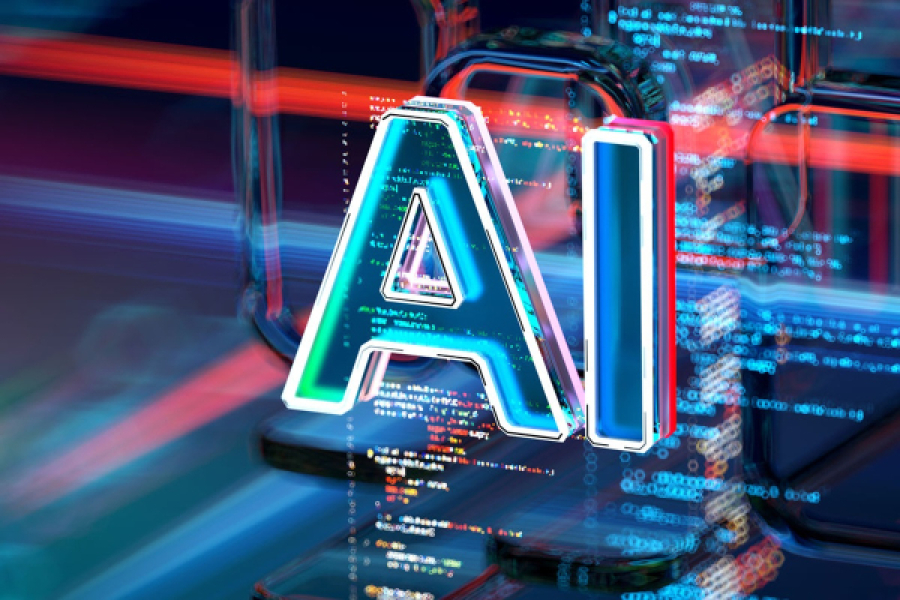
Morocco continues to implement its artificial intelligence development strategy. The Ministry of Digital Transition and Administrative Reform signed a memorandum of understanding with Orange Maroc in Casablanca on Thursday, June 4, to strengthen cooperation in the testing and deployment of AI solutions.
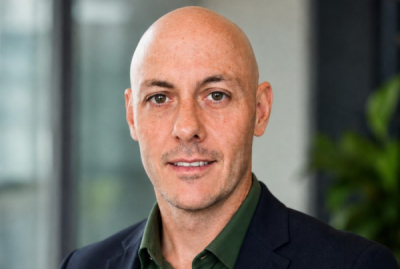
Minister Delegate Amal El Fallah Seghrouchni and Orange Maroc Chief Executive Officer Hendrik Kasteel signed the agreement. Through the partnership, both parties plan to develop practical AI use cases that align with Morocco’s digital transformation priorities. The partners will place particular emphasis on e-government initiatives to improve the quality and efficiency of public services.
The parties have already identified pilot projects and will jointly develop them over the coming months. Orange Maroc will contribute its infrastructure and technological expertise to test AI applications across several strategic sectors. The company will support projects in e-health, e-education and e-agriculture. Moroccan authorities seek to accelerate AI adoption in sectors that can directly improve citizens’ lives while strengthening the competitiveness of the national economy.
The cooperation aligns with Morocco’s broader ambitions for artificial intelligence development. The government has positioned AI as a core pillar of its “Morocco Digital 2030” strategy and its “AI Made in Morocco” roadmap. These initiatives seek to accelerate the digital transformation of public administrations, businesses and public services. Consequently, policymakers view AI as a key technology for boosting productivity, improving service delivery and supporting long-term economic growth.
Moroccan authorities project that artificial intelligence will contribute 100 billion dirhams (approximately $11 billion) to gross domestic product by 2030. The government also expects the sector to create 50,000 specialized jobs and support the training of 200,000 graduates in AI-related skills. Against this backdrop, the partnership with Orange Maroc aims to accelerate the transition from strategy to implementation by leveraging private-sector infrastructure, technical expertise and innovation capabilities.
This article was initially published in French by Samira Njoya
Adapted in English by Ange J.A de Berry Quenum