
-
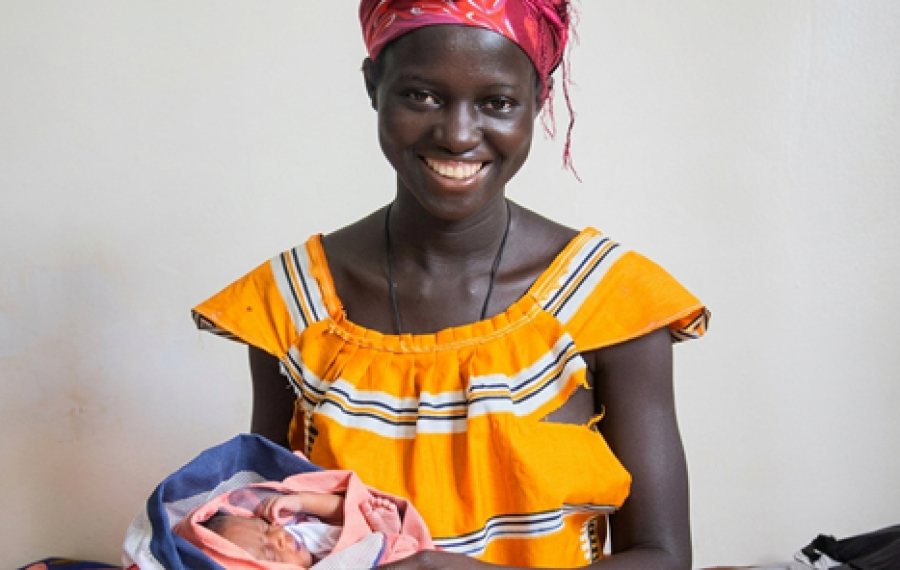
Guinea has launched a $393,333 Japanese-funded digital health pilot to improve maternal and neonatal healthcare access in remote areas.
-
The project uses SPAQ technology developed by SOIK Corporation and combines a mobile application with portable ultrasound devices.
-
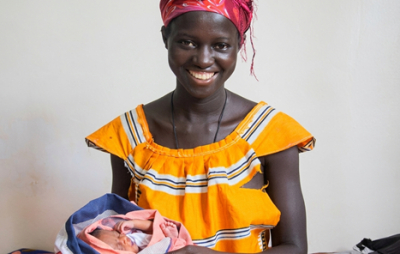
The initiative aims to directly benefit more than 5,000 pregnant women and 5,000 newborns while supporting the digital transformation of Guinea’s healthcare system.
Guinea launched a digital health pilot project in Conakry on Tuesday, June 16, to improve access to maternal and neonatal healthcare services in remote communities. The Government of Japan finances the initiative with $393,333 and implements the project in partnership with the United Nations Population Fund (UNFPA). The project relies on the Japanese SPAQ technology developed by SOIK Corporation.
“By connecting a dedicated application to a portable ultrasound device, SPAQ enables healthcare providers to optimize and modernize prenatal monitoring, centralize medical results and strengthen monitoring activities in isolated areas,” Japanese Ambassador to Guinea Kato Ryuichi said. He added that the project will also deploy a mobile clinic, equip 10 healthcare facilities and train 20 midwives to use the digital solution.
The initiative aims to bring healthcare services closer to populations living in some of the country’s most remote locations. The combination of a mobile application and a portable ultrasound device will allow healthcare workers to conduct prenatal examinations, identify high-risk pregnancies more quickly and improve monitoring of both patients and newborns.
The project expects to directly benefit more than 5,000 pregnant women and an equal number of infants. The initiative comes as Guinea continues to face significant maternal and neonatal healthcare challenges. According to government authorities, the country has only one midwife for nearly 20,000 inhabitants.
At the same time, recurring floods have increased pressure on healthcare access. Authorities reported that floods affected more than 175,000 people in 2024, further complicating access to health facilities across several regions.
Long travel distances, shortages of medical equipment and limited healthcare coverage in some rural areas continue to constrain maternal healthcare delivery and prenatal monitoring services.
Beyond improving prenatal care, the project seeks to accelerate the digital transformation of Guinea’s healthcare system. Authorities aim to demonstrate the effectiveness of digital tools in expanding access to specialized healthcare services in remote areas. They also expect the initiative to strengthen the resilience of the healthcare system against future health emergencies and climate-related disruptions.
This article was initially published in French by Samira Njoya
Adapted in English by Ange J.A de Berry Quenum