
- Tunisia Customs integrated an artificial intelligence module into its national customs selectivity system to improve fraud detection and cargo screening.
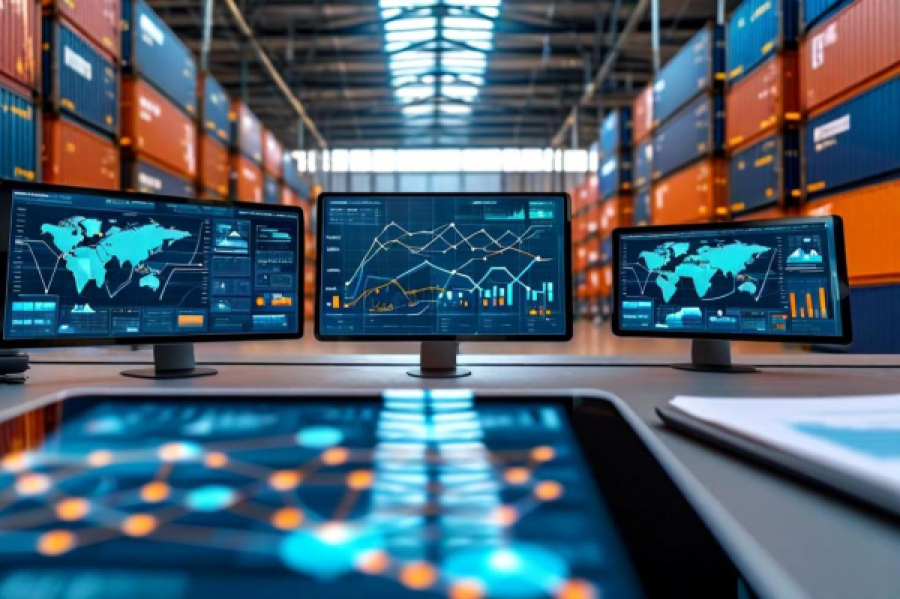
- The system uses machine learning algorithms to analyze customs data and identify high-risk transactions automatically.
- Tunisian authorities recorded nearly 4,000 customs cases in the first quarter of 2026, involving seized goods worth more than 51 million Tunisian dinars ($17.6 million).
Tunisia Customs has continued its digital transformation by integrating an artificial intelligence-based module into the country’s national customs selectivity system, as authorities seek to modernize border controls and improve trade processing efficiency.
The Directorate General of Customs announced the measure in a statement published on Saturday, May 16, following a meeting of the central customs risk management commission held in Tunis.
The new system relies on machine learning algorithms capable of processing large volumes of customs data to identify transactions that present elevated fraud risks automatically.
In practice, the platform analyzes several variables, including the nature of goods, their origin, declared value, import histories and the profiles of economic operators.
Through those predictive models, customs authorities aim to improve the accuracy of suspicious cargo targeting, reduce systematic manual inspections and accelerate the processing of compliant shipments.
The initiative comes as Tunisian authorities pursue a broader modernization of the customs chain to support foreign trade and improve administrative efficiency.
The Directorate General of Customs is also developing “Sinda 2,” a next-generation digital platform designed to connect the various government agencies involved in customs operations. Authorities expect the first phase of the project to enter service by the end of 2026.
At the same time, Tunisia has expanded international partnerships to accelerate customs digitalization efforts. In April, Tunisia Customs launched, in cooperation with South Korea, an integrated electronic system project aimed at further digitizing customs procedures and strengthening transparency in administrative exchanges with economic operators.
The modernization effort also reflects growing economic and security concerns. According to data released by Tunisia Customs, authorities registered nearly 4,000 customs-related cases during the first quarter of 2026. The value of seized goods exceeded 51 million Tunisian dinars ($17.6 million).
Authorities seized foreign currencies, gold, cartridges, clothing and smuggled goods during those operations. Through the integration of artificial intelligence, Tunisian authorities aim to improve customs risk management, reduce processing times and strengthen the country’s logistics competitiveness.
The initiative also reflects a broader trend across customs administrations, where automated analytics technologies increasingly serve as strategic tools to secure trade flows while facilitating legitimate commerce.
Samira Njoya