

- Algeria launched four new digital platforms, bringing total integrated university digital services to 73.
- The platforms target academic management, entrepreneurship, student welfare, and service modernization.
- The initiative aligns with Algeria’s national digital transformation strategy through 2030.
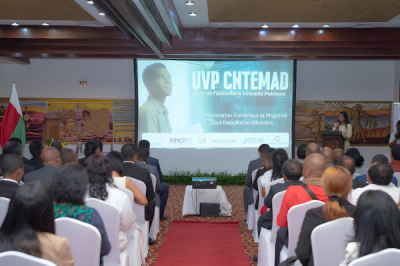
Kamel Baddari, Minister of Higher Education and Scientific Research, officially launched the platforms on February 24, in Algiers. The launch increased the total number of digital services integrated into the sector’s information system to 73.
During the ceremony, Kamel Baddari stated that universities, data centers, and research laboratories across the country jointly drove the expansion of the digital ecosystem.
He emphasized that the platforms “illustrate the high level of digitalization achieved by the sector in its teaching, research, governance, and services to the university community.”
The four new platforms cover strategic and social priorities.
The Digital Registry of University Programs aims to improve the management of university economic programs and enhance the conversion of scientific research results into projects with high economic and social added value.
The University Network of Incubators and Entrepreneurship Development Centers (AUNEI) seeks to consolidate the innovation ecosystem and support students and researchers in launching start-ups.
An online psychological consultation platform promotes mental health within universities. In addition, an integrated meal reservation platform within the student mobile application modernizes campus catering services.
The launch builds on a broader digitalization process within the higher education sector. Authorities have already deployed electronic diploma management systems, scientific research monitoring portals, and dematerialized administrative management modules in recent years.
These services aim to reduce bureaucratic delays, improve governance efficiency, and strengthen collaboration between universities and socio-economic partners.
The initiative aligns with Algeria’s national digital transformation strategy through 2030.
Two cross-cutting pillars support this strategy. First, authorities are establishing an adapted legal and regulatory framework, including a draft law on digitalization currently under development. Second, authorities are strengthening cybersecurity measures to protect data and information systems against increasingly sophisticated cyber threats.
This article was initially published in French by Samira Njoya
Adapted in English by Ange J.A de Berry Quenum