

-
Burundi launched the e-KORI system to digitalize tax declaration and payment.
-
The Burundi Revenue Authority leads the project with World Bank support.
-
Authorities aim to expand the tax base, improve transparency, and strengthen budget planning.
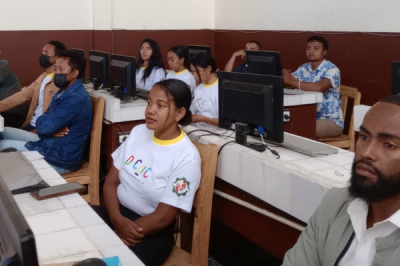
The Burundian government officially launched the implementation phase of the e-KORI system on Monday, January 19, in Bujumbura. The Burundi Revenue Authority is leading the project with financial and technical support from the World Bank. The program focuses on online tax declaration and payment for both taxes and fees.
“The implementation of such a system represents a crucial step toward the digital transformation of our country by allowing the state to mobilize its own resources more effectively,” Finance, Budget, and Digital Economy Minister Alain Ndikumana said. “The e-KORI project is a strategic tool because it will allow Burundi to collect its own funds and finance its development projects without relying exclusively on external aid,” he added.
The e-KORI program aims to digitalize all processes related to domestic tax collection and non-tax revenue. The system allows taxpayers to submit declarations and make payments online, track transactions remotely, and reduce physical interactions with tax offices. Authorities also present the platform as a tool to improve revenue traceability, reduce errors, and strengthen tax control.
The launch comes as Burundi accelerates its transition toward a digital public administration. In recent years, authorities have implemented reforms to modernize public financial management, improve governance, and strengthen transparency. However, domestic revenue mobilization remains a challenge in a country characterized by a large informal sector and tax procedures that many economic actors consider complex.
Project officials said e-KORI will roll out in nine phases, with authorities validating each deliverable before moving to the next stage. The program also includes training and awareness sessions for tax officials and taxpayers. Authorities placed system security at the center of the project. A technical partner is responsible for infrastructure protection, data security, and cyber-risk prevention amid growing cybersecurity challenges linked to the digitalization of public finances.
Over the long term, authorities expect e-KORI to broaden the tax base, strengthen taxpayer compliance, and improve state budget planning. By facilitating access to tax services and securing digital exchanges, the system could also improve the business climate, strengthen trust between the administration and citizens, and support Burundi’s ambition to build a more efficient, transparent, and digitized state.
This article was initially published in French by Samira Njoya
Adapted in English by Ange Jason Quenum