

-
DR Congo signs a memorandum to digitize and interconnect its education system nationwide
-
Government integrates reform into a 2024–2029 strategic plan focused on digital transformation
-
Authorities expand digital training to 250,000 youth to support workforce readiness
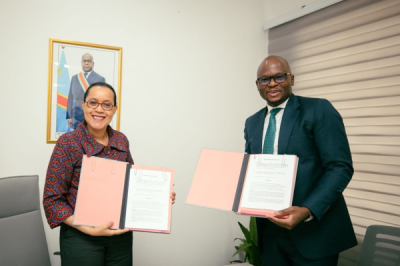
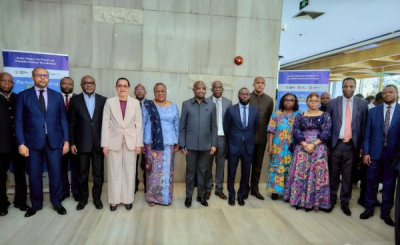
The Ministry of National Education and New Citizenship (MINEDU-NC) and the Universal Service Development Fund (FDSU) signed a memorandum of understanding in Kinshasa on April 2. The agreement aims to strengthen digital integration across the country’s education system.
The initiative seeks to modernize the management of schools, administrative offices, and provincial education departments. It also aims to ensure secure and reliable circulation of educational data.
Paterne Binene-A-Kadiat, Director General of the FDSU, said the framework will connect central administration, provincial departments, management offices, and schools.
“This collaboration framework, which provides for the interconnection of central administration, provincial departments, management offices and schools, aims to facilitate information flow, data management and improve education system management at all levels,” he said.
The memorandum defines an integrated education ecosystem based on five pillars. Authorities structured the system around global interconnection, interoperability of information systems, institutional oversight, data reliability and traceability, and modern digital governance.
The plan includes the deployment of secure digital platforms, interoperable information systems, and digital equipment for schools. The FDSU will act as the technical arm for digital inclusion and will expand access to technology in rural and peri-urban areas. This expansion aims to reduce the digital divide across the country.
The partnership aligns with the ministry’s 2024–2029 five-year plan, which positions digital transformation as a strategic lever for education reform. Authorities are integrating this initiative into broader national priorities.
The agreement complements a national digital training program targeting 250,000 young Congolese. Officials launched the operational phase of this program on February 12 with the training of 200 instructors in Kinshasa.
Authorities expect these measures to deliver a more connected education system and centralized data management. The government also aims to improve transparency and operational efficiency across the sector.
In addition, the reforms seek to better prepare young people for digital careers, reinforcing workforce readiness while supporting long-term economic development.
Samira Njoya