

-
Ivory Coast plans to regulate and organize digital content monetization by 2026.
-
The government opened talks with regulators and industry partners to define revenue-sharing mechanisms.
-
Streaming growth highlights rising economic stakes but exposes persistent income gaps for artists.
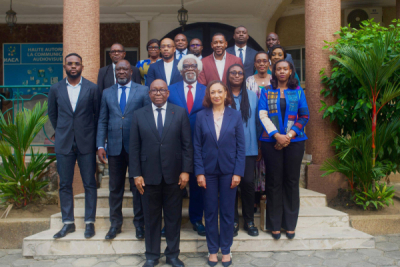
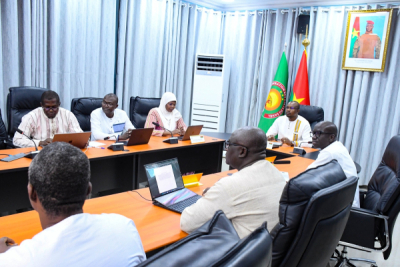
The Ivorian government announced its intention to make digital content monetization effective by 2026 in response to demands from cultural, music and media stakeholders. Culture and Francophonie Minister Françoise Remarck opened discussions on February 2, with the High Authority for Audiovisual Communication (HACA) and several sector partners to define mechanisms to valorize locally produced digital content.
The initiative seeks to establish a regulatory and operational framework to capture and redistribute a significant share of revenues generated from online listening, music streaming, video and audiovisual content. The executive branch aims to structure an ecosystem in which local and international digital platforms compensate artists and creators under clear rules while authorities strengthen copyright regulation and distribution contracts.
The issue carries growing economic weight. The International Federation of the Phonographic Industry said in its Global Music Report 2025 that sub-Saharan Africa recorded a 22.6% increase in recorded music revenues in 2024, reaching a record $110 million, or nearly five times the global growth rate of 4.8% over the same period.
In Ivory Coast, music streaming platforms such as Boomplay, Spotify, Apple Music and Deezer continue to expand their user bases. Compensation models vary across platforms and markets. By way of indication, one million streams on Spotify can generate about CFA1.2 million, or roughly $2,155, for rights holders, highlighting both the economic potential of streaming and persistent revenue disparities.
Despite expanding digital audiences, monetization remains limited for many artists in Francophone Africa. Contract structures and regulatory frameworks continue to allow a significant share of value creation to escape local creators.
The Ivorian initiative also aligns with a broader push to develop the national digital economy. The country benefits from relatively solid mobile infrastructure. Fourth-generation network coverage reached 76.88% in the first quarter of 2025, improving access to digital services and content distribution platforms.
By structuring digital content monetization, Abidjan aims to integrate the creative economy more fully into the formal sector, strengthen revenues for local artists and producers, and position digital culture as a driver of economic growth and employment as streaming and digital content markets continue to expand across Africa.
This article was initially published in French by Samira Njoya
Adapted in English by Ange J.A de BERRY QUENUM