

-
Zimbabwe and Australia discussed bilateral cooperation on artificial intelligence and ICT development.
-
President Emmerson Mnangagwa plans to launch Zimbabwe’s national AI strategy in March 2026.
-
Australia offered technical support as Zimbabwe expands digital investment and connectivity.
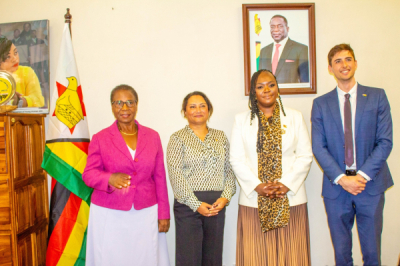
Zimbabwe continues its digital transformation drive. Information Communication Technology, Postal and Courier Services Minister Tatenda Mavetera met Australia’s ambassador to Zimbabwe, Minoli Perera, on Monday, January 26, 2026. The meeting focused on exploring bilateral cooperation opportunities in information and communication technologies.
The discussions centered on Zimbabwe’s forthcoming national artificial intelligence strategy. President Emmerson Mnangagwa plans to launch the strategy in March 2026. The roadmap aims to define national priorities for digital innovation, public service modernization, and technological skills development.
Official data showed rising momentum in Zimbabwe’s digital sector. ICT investments increased by 14.5%, alongside improvements in connectivity. Mobile penetration reached 103%, while internet penetration rose to 83%. These figures reflected broader access to digital services across the population.
Australia signaled readiness to support Harare through technical assistance and expertise sharing. Canberra operates an advanced national AI framework. In December 2025, the Australian government unveiled a National AI Plan to accelerate adoption across the economy.
McKinsey estimated that artificial intelligence and automation could generate between $170 billion and $600 billion in additional GDP for Australia by 2030.
The proposed cooperation could cover training, skills transfer, AI governance, and support for local start-ups. Harare aims to structure a job-creating digital ecosystem. The objective carries demographic urgency, as more than 60% of Zimbabwe’s population stands under the age of 25.
Through closer ties with Canberra, Zimbabwe seeks to strengthen its regional technological position. By prioritizing artificial intelligence and international partnerships, the country aims to use digital development as a strategic lever for economic diversification and sustainable growth.
This article was initially published in French by Samira Njoya
Adapted in English by Ange J.A de BERRY QUENUM