

- Essymart provides digital access to inputs, training, and markets for smallholder farmers
- The startup reached about 4,000 farmers in 2024, up roughly 20% year on year
- The platform operates via web, SMS, voice calls, and USSD to reach non-smartphone users
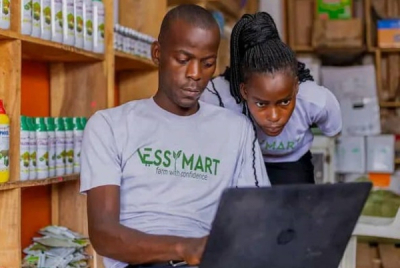
Essymart operates as an agritech solution developed by a Ugandan startup. The company aims to transform the livelihoods of smallholder farmers by providing digital solutions that improve yields, incomes, and access to markets.
The startup operates from Mayuge, about 120 kilometers from the capital Kampala. Elvis Kadhama, Viola Nakadama, and Stella Doreen Namulondo launched the company in 2022.
At the core of Essymart’s offering sits a digital platform accessible through a web application, SMS, voice calls, and USSD codes. The system allows farmers, including those without smartphones, to purchase agricultural inputs such as seeds, fertilizers, and pesticides. The platform also delivers personalized agronomic advice and provides access to training and market services.
The startup directly targets several constraints that limit agricultural productivity in Africa, including poor access to reliable inputs, low adoption of modern farming practices, and weak access to profitable markets. Through its integrated approach, Essymart helps farmers raise yields while reducing direct input costs.
“In 2024, we supported about 4,000 farmers, representing an increase of around 20% compared with the previous year, and we were close to our 2030 target of supporting 20,000 families,” Elvis Kadhama said. He added: “The user base combines direct customers receiving full services and farmers reached through partnerships with public and private actors, which reflects both demand for our integrated inputs, training, and market linkages, and the expansion of our distribution network.”
By relying on simple technologies such as USSD and SMS, the company ensures service access even in remote areas where internet connectivity remains limited. Essymart positions itself as both a digital marketplace for agricultural inputs and a service ecosystem that links farmers with certified suppliers, agronomic experts, and commercial outlets.
To date, the company has reached several thousand smallholder farmers in eastern Uganda and plans to expand into other African markets.
This article was initially published in French by Adoni Conrad Quenum
Adapted in English by Ange Jason Quenum