
- Djibouti launched a feasibility study for “Digital Houses” aimed at expanding digital inclusion and skills development across the country.
- The E-SKILLS program seeks to train at least 3,000 young people and women by 2029 with a budget of €7 million ($8.1 million).
- Djibouti faces severe labor market pressures, with youth unemployment reaching 76.32% in 2024, according to the World Bank.
As digital transformation reshapes labor markets, African countries are preparing citizens for future workforce demands. The World Bank estimates that 230 million jobs in sub-Saharan Africa will require digital skills by 2030.
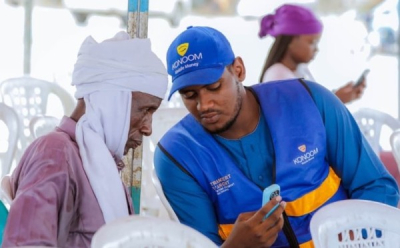
Against this backdrop, the government of Djibouti launched a feasibility study for the creation of “Digital Houses” across the country’s five inland regions. The initiative forms part of the E-SKILLS program, which aims to strengthen digital competencies among the population.
In a statement published on Wednesday, May 13, the Ministry Delegate for the Digital Economy and Innovation said the study represented a key step in defining how the community-based centers would be deployed. Authorities designed the facilities to promote digital inclusion and reduce the digital divide.
“The future Digital Houses will strengthen access to digital skills, support citizens in their use of digital technologies, encourage local innovation and foster economic opportunities within the regions,” the ministry said in a statement shared on social media.
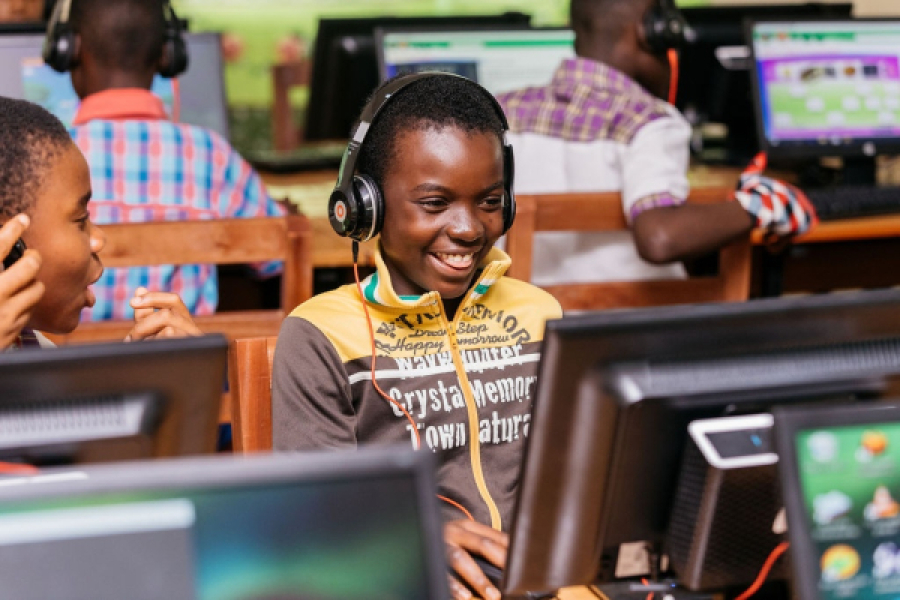
The planned centers will also bring the E-SKILLS program closer to local populations. The initiative aims to train at least 3,000 young people and women by 2029 at an estimated cost of €7 million, or about $8.1 million.
The project aligns with the country’s Vision Djibouti 2035 strategy, the Smart Nation roadmap and the National Development Plan 2025-2030, all of which aim to position Djibouti as a regional hub for digital skills.
Digital Skills and Employment Challenges
Governments increasingly view digital skills as a key driver of economic transformation. The issue carries particular importance in Africa, where youth unemployment remains a major challenge.
According to the International Labour Organization, 90% of jobs worldwide will require some level of digital competency by 2030. Over the same period, the World Bank expects 230 million jobs in sub-Saharan Africa to depend on digital capabilities.
Djibouti faces especially acute labor market pressures. Youth unemployment among people aged 15 to 24 reached 76.32% in 2024, according to World Bank data, nearly five times the global average of 15.7%.
In the same year, only 23.7% of the working-age population held employment, one of the lowest levels among members of the Organisation of Islamic Cooperation, according to the Statistical, Economic and Social Research and Training Centre for Islamic Countries.
Beyond skills development, the Digital Houses could also help reduce connectivity disparities in a country where digital access remains unevenly distributed.
According to the International Telecommunication Union, 4G coverage reached 76% of the population in 2024, while internet penetration stood at 65.3%.
This article was initially published in French by Isaac K. Kassouwi
Adapted in English by Ange J.A de Berry Quenum