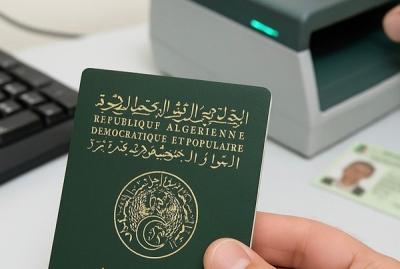


- Algeria had more than 22 million payment cards in circulation at the end of March 2026, including nearly 18 million Edahabia cards issued by Algérie Poste.
- Electronic payment transactions rose 46% year-on-year in 2025 to 939 billion dinars ($7 billion).
- Authorities continue to expand digital payment infrastructure as part of broader efforts to strengthen financial inclusion and reduce reliance on cash.
Algeria continues to accelerate its transition toward digital payments as authorities push to modernize financial services and expand financial inclusion.
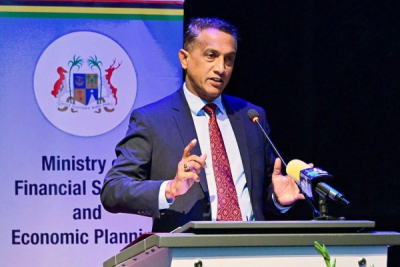
Finance Minister Abdelkrim Bouzred told the Council of the Nation on Thursday, May 14, that the country had more than 22 million payment cards in circulation at the end of March 2026. The total included nearly 18 million Edahabia cards issued by Algérie Poste.
The expansion forms part of the government’s broader digital transformation strategy aimed at modernizing payment services and encouraging wider adoption of electronic transactions.
Official figures highlighted the scale of the expansion. Algeria’s network of automated teller machines reached 4,713 units at the end of March 2026 and processed around 235 million operations.
At the same time, the number of electronic payment terminals exceeded 104,000 units, up sharply from around 68,000 at the end of 2024. The increase reflected faster deployment of payment equipment among merchants across the country.
The use of digital payment methods also expanded significantly in value terms. According to data from GIE Monétique, electronic payments processed through payment terminals, online platforms and mobile services reached 939 billion dinars, or about $7 billion, in 2025. The figure marked a 46% increase from the previous year.
Online payments recorded particularly strong growth, with more than 27 million transactions generating over 145 billion dinars in value.
Mobile money transfers also increased sharply, supported notably by the growing use of applications such as BaridMob and Wimpay.
Several reforms introduced in recent years have supported the sector’s growth.
In 2024, authorities established a National Commission for Electronic Payment Methods to accelerate the development of digital payments and strengthen transaction security.
At the same time, the expansion of digital public services, the rise of e-commerce and the gradual adoption of online payments have started to change consumer habits in a country historically dominated by cash transactions.
Despite rapid growth in payment cards and electronic terminals, cash remains the dominant payment method in the Algerian economy. According to recent data cited by GIE Monétique, fewer than 10% of merchants in the country currently operate electronic payment terminals.
Nevertheless, authorities continue to rely on the digitization of financial services to accelerate adoption of electronic payments.
For the government, the challenge extends beyond transaction modernization. Authorities also aim to reduce the informal economy, improve the traceability of financial flows and strengthen financial inclusion across the country.
This article was initially published in French by Samira Njoya
Adapted in English by Ange J.A de Berry Quenum