
- Somalia is accelerating its national migration to Internet Protocol version 6 (IPv6) to expand its digital infrastructure capacity and support economic growth.
- The National Communications Authority (NCA) convened internet service providers, universities, and telecom experts on June 10 to synchronize deployment strategies.
- The government established a dedicated National IPv6 Center at Jamhuriya University to train technical experts and bypass the severe address limits of older IPv4 technology.
Somali authorities leverage digital transformation to boost the country's socio-economic development. Government agencies are aggressively strengthening infrastructure networks to support the rapid growth of digital services across the nation.
To achieve these long-term goals, Somalia is intensifying its structural transition to the new generation of internet addresses (IPv6). This strategic initiative expands the capacity of the country's digital infrastructure and anticipates the future growth of online applications.
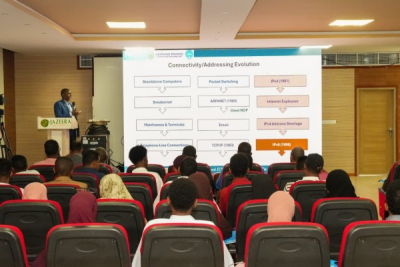
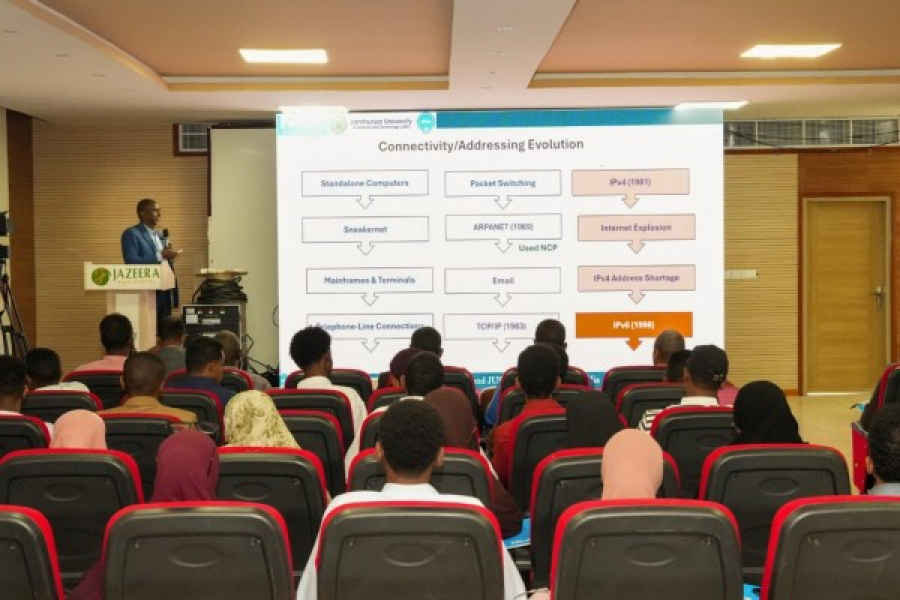
The National Communications Authority (NCA) and the National IPv6 Center advanced this agenda on Wednesday, June 10, by hosting a specialized technical workshop. This strategic meeting united internet service providers, academic institutions, telecommunications experts, and diverse digital sector stakeholders.
According to the national news agency, this collaborative gathering provided a vital platform to raise institutional awareness about IPv6 adoption. The workshop strengthened technical collaboration among key stakeholders, supported the national digital transformation roadmap, deployed next-generation internet technologies, and upgraded existing network infrastructures.
"Today, we do not plan only for the current needs of the internet, but also for those of future generations, ensuring that they have access to modern technologies and remain prepared for the continuous growth of the digital economy," said Mustafa Yasiin Sheikh, Director General of the telecom regulator.
Prior to this workshop, Somalia adopted a dedicated national IPv6 strategy in February 2025 to create a unified implementation framework. This policy framework enabled the successful creation of the National IPv6 Center. Located inside Jamhuriya University, this research hub serves as a specialized center for research and training to prepare a new generation of experts in IPv6 deployment and network management.
These domestic infrastructure initiatives match critical global realities, as the previous generation protocol (IPv4) reached its maximum allocation limits in 2011 despite its continued widespread use across Africa. Launched originally in 1981, IPv4 provides a maximum capacity of approximately 4.3 billion unique IP addresses. Conversely, IPv6 generates up to 340 undecillion addresses, which delivers a permanent solution for the rising connectivity demands of traditional web users and connected Internet of Things (IoT) devices.
This article was initially published in French by Isaac K. Kassouwi
Adapted in English by Ange J.A de Berry Quenum