

-
Algeria has launched a pilot version of a National Certification and Qualification Framework (CNC) to standardize and digitize the recognition of university degrees and skills.
-
Authorities aim to improve graduate employability and better align higher education outcomes with labor market demands amid youth unemployment approaching 30% in 2025.
-
The framework adopts internationally recognized competency-based standards and follows models already implemented in nearly 150 countries.
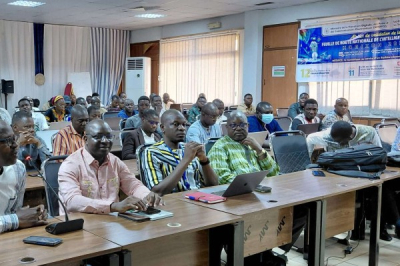
The Ministry of Higher Education and Scientific Research announced on June 17 the rollout of the National Certification and Qualification Framework (CNC), a digital system that structures and harmonizes the recognition of university degrees.
The platform, available at cnc.mesrs.dz, aims to improve the transparency of academic programs and facilitate the recognition of qualifications at both national and international levels.
The initiative comes as Algeria seeks solutions to youth unemployment, which approached 30% in 2025, according to government figures cited by local authorities.
“This pilot version constitutes a fundamental step in establishing a transparent and reliable higher education system and aligning university training outcomes with the real needs of the national economy,” the ministry said. The ministry added that the framework should also strengthen the professional mobility of graduates.
The CNC adopts a competency-based methodology that classifies degrees according to clearly defined qualification levels. The framework evaluates academic credentials through a combination of knowledge, practical skills and behavioral competencies. The system also incorporates criteria such as autonomy, responsibility and communication abilities.
Authorities aim to provide a clearer interpretation of qualifications while creating stronger links between academic pathways and employment opportunities. More specifically, the platform describes and classifies certifications awarded by higher education institutions while establishing benchmarks that remain comparable with international standards.
The system targets students, universities and employers. It aims to simplify the interpretation of academic qualifications and improve the identification of relevant skills during recruitment processes.
The government has positioned the CNC as part of a broader effort to modernize Algeria’s higher education system. Authorities expect the framework to increase transparency, strengthen the credibility of Algerian qualifications and improve the responsiveness of educational programs to economic needs.
The ministry stated that the framework draws on methodologies already adopted in nearly 150 countries that have implemented similar systems to standardize qualifications and facilitate academic and professional mobility.
This article was initially published in French by Samira Njoya
Adapted in English by Ange J.A de Berry Quenum