

- Benin launched a $2.3 million Japanese-funded project that will combine artificial intelligence, drones and geospatial mapping to strengthen malaria prevention in six pilot municipalities.
- The initiative will use AI to identify high-risk mosquito breeding areas and drones to apply WHO-approved larvicides with greater precision.
- The project supports Benin's national health strategy and the Benin 2060 Alafia vision as the country seeks to build on recent declines in malaria incidence and mortality.
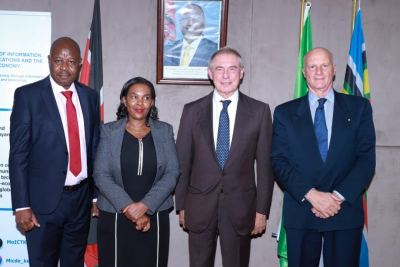
Benin plans to pilot artificial intelligence, drones and geospatial mapping to strengthen malaria control. The government launched the Integrated Action for Malaria Prevention project in Cotonou on Tuesday, June 30. Japan is financing the initiative with $2.3 million. The project will operate in six pilot municipalities and will combine technological innovation, vaccination, vector control and community engagement to improve the identification of high-risk areas and reduce malaria transmission.
AI and Drones to Improve Vector Control
The project relies on the combined use of multiple technologies. Geospatial mapping tools and artificial intelligence will analyze environmental data to identify areas with the highest risk of mosquito breeding. Authorities will then use the findings to deploy drones that can precisely spray larvicides approved by the World Health Organization on mosquito breeding sites, including locations that remain difficult to access. The Beninese government aims to make vector control operations more targeted, faster and more effective than conventional approaches.
The initiative comes as malaria remains Benin's leading public health challenge. According to health authorities, the disease continues to rank as the leading cause of medical consultations and hospital admissions nationwide. However, recent public health measures reduced malaria incidence by 38% between 2022 and 2024 and lowered malaria-related mortality by 39% through the distribution of insecticide-treated mosquito nets and the introduction of the malaria vaccine.
The project forms part of Benin's national strategy to strengthen its healthcare system and supports the country's Benin 2060 Alafia development vision. Japan supports the initiative under the framework of the Tokyo International Conference on African Development (TICAD). The partnership reflects the Beninese government's strategy to integrate emerging technologies into malaria control, improve the targeting of interventions, optimize resource allocation and strengthen long-term disease prevention.
This article was initially published in French by Samira Njoya
Adapted in English by Ange J. A de Berry Quenum