




Telecom (187)
Africa has the lowest Internet penetration rate in the world. Authorities are joining forces with various partners to improve these figures, and are also considering collective action to achieve their goal.
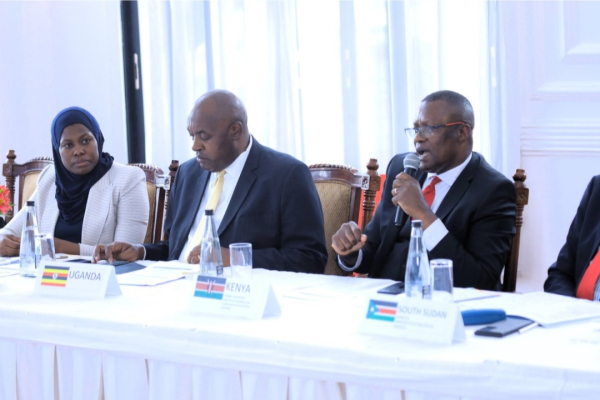
The East African Community has decided to invest in the installation of a satellite to provide Internet access to the entire sub-region. The decision was taken at the ministerial meeting of the Information and Communication Technology Infrastructure Development Group of the Northern Corridor Integration Projects (NCIP), held on Wednesday, November 8, and Thursday, November 9 in Nairobi, Kenya.
"The Ministers agreed to fast track the modalities of establishing a Regional Owned Satellite for communication that will provide high-quality, dependable broadband internet services and broadcasting capabilities," reads the joint statement issued at the end of the meeting.
The collective solution is the most viable since, according to NCIP coordinator Amb Richard Kabonero, “The cost of a satellite is about USD 300m which is very expensive for individual countries but as a region, we can work together."
The need for Internet connectivity on the continent is constantly growing with the ongoing digital transformation. Traditional Internet service providers are unable to cover all areas, especially rural and landlocked ones, for a variety of reasons. According to DataReportal, the Internet penetration rate in East Africa was 23.1% in January 2023. The sub-region lags behind other parts of the continent, and satellite can be an interesting alternative.
It is worth mentioning that the cost of satellite internet is still high for average Africans. In January 2023, Starlink started deploying its satellite services in African countries. To access Starlink’s services, users need to buy kits that cost around $372 in the cheapest country (Nigeria) and almost $650 in Benin, where the service was launched earlier this month.
Adoni Conrad Quenum
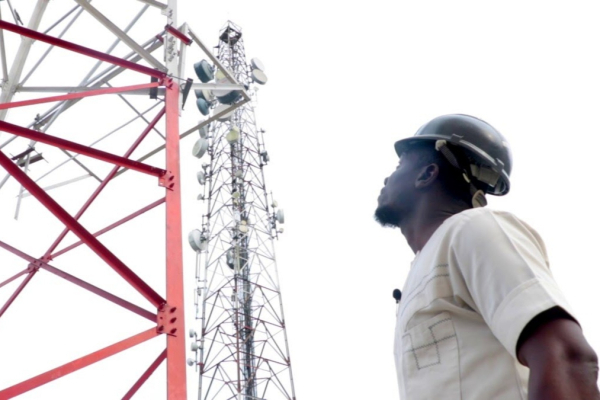
In line with its digital ambitions, the Nigerian government wants to connect 70% of the population to broadband Internet by 2025. The executive, in collaboration with its partners, is actively implementing measures to accomplish this crucial objective.
Tizeti Network Limited, a solar-based internet service provider, announced on Wednesday, November 1 its plan to connect 15 Nigerian states thanks to long-term funding from the Chapel Hill Denham Nigerian Infrastructure Investment Fund (NIDF).
"Chapel Hill Denham is excited to partner with Tizeti in the expansion of a fast, reliable broadband network across Nigeria. The digital economy is a key strategic pillar for Nigeria to accelerate its economic and social development, and providing access to affordable internet services is crucial to achieving the true potential of digitization," said NIDF CEO Anshul Rai.
The new initiative is in line with NIDF's strategy to fund partners to support the acceleration of digital infrastructure development in Nigeria. The aim is to support the government in its vision of achieving 70% broadband penetration by 2025. For Tizeti Network Limited, the funding supports its expansion objectives in Nigeria, where the company currently serves over 3 million subscribers.
According to Tizeti Network Limited executives, the funding will build the last-mile digital infrastructure that will shift Internet capacity to other Nigerian states and “catalyze sustained development, value creation, improved connectivity, and a deeper and wider digital inclusion net.” As a reminder, in February 2023, the country had 156.9 million Internet subscriptions, according to the regulator. The broadband penetration rate was 48.49%.
Samira Njoya
In the last decade, high-speed internet consumption has grown significantly across Africa. With Covid-19 bringing about new usages, the demand has further increased. Telecom operators are actively mobilizing to efficiently meet these heightened requirements.
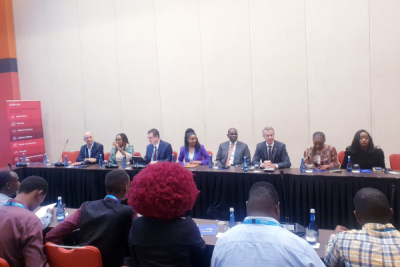
The CEOs of six major telecoms groups operating in Africa - Orange, MTN, Airtel, Vodacom, Axian, and Ethio Telecom - have pledged to develop digital inclusion on the continent. On Tuesday, October 17, at the Mobile World Congress (MWC) in Kigali, Rwanda, they expressed their willingness to continue investing in the local telecoms market during an exchange with Paul Kagame, President of the Republic of Rwanda, host of the MWC and also Chairman of the Board of Directors of Smart Africa.
In a joint statement, Jérôme Hénique, CEO of Orange Middle East and Africa, Ralph Mupita, CEO of MTN Group, Segun Ogunsanya, CEO of Airtel Africa, Shameel Joosub, CEO of Vodacom Group, Frehiwot Tamru, CEO of Ethio Telecom, and Hassanein Hiridjee, CEO of Axian Group, said: "Together, we passionately believe in the power of mobile as a catalyst for economic and social inclusion across Africa. We openly invite other African Heads of state to engage with us in the search for solutions focused on deepening digital and financial inclusion on the continent for the benefit of all African citizens."
The telecom groups have already identified potential solutions that can facilitate comprehensive coverage of the continent with a high-quality mobile broadband network, ensuring affordable access to services. But for these solutions to materialize, they stressed the need for African governments to get involved and engage in in-depth collaboration.
Telecom operators are calling for tax and policy reforms. They believe that by reducing the amount of taxes on different segments (equipment, services, accessories, telephones, etc.), their operating costs will be positively impacted. The resulting reduction in expenditure will strengthen investment capital for the development of telecoms infrastructures across the continent, and support consumption. The same effect should be induced by infrastructure sharing, national roaming, and regulatory policy reform, among others.
Telecom groups are also calling for regulatory support for new models of digital infrastructure financing. The World Bank estimates that $100 billion will be needed to achieve universal connectivity in Africa by 2030. The necessary funds cannot come from telecom companies alone.
Last but not least, climate-friendly infrastructure is an investment that telecom groups are more than willing to make. Given the beneficial impact of solar energy on the operating and maintenance costs of telecom towers and other infrastructures and its contribution to companies' carbon footprints, the CEOs of Orange, MTN, Airtel, Vodacom, Ethio Telecom, and Axian also expressed the need for concerted regulatory policies that promote access to green solutions.
Mobile operators claim to have invested over $70 billion, over the past 10 years, in the construction of mobile infrastructure in Africa. They estimate their annual capital expenditure in sub-Saharan Africa at between $6 and $8 billion, or nearly 20% of their revenues. Although this action today gives nearly 85% of the African population access to mobile broadband connectivity (compared with a global average of 95%), more than 680 million people remain unsubscribed to mobile broadband services either because of the high cost of access, or the inaccessibility of suitable phones.
According to the six groups, the telecoms industry currently contributes 8.1% to the Sub-Saharan region's Gross Domestic Product (GDP). That's around $170 billion. By 2023, the target is to reach $210 billion by raising the mobile Internet usage rate from the current 33% to 50% by 2030.
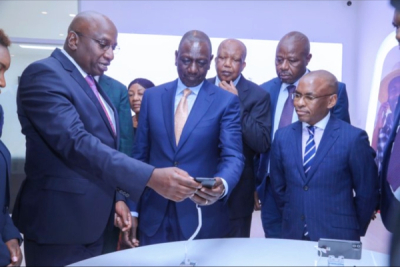
Last May, the Kenyan Minister of ICT revealed the government's intention to offer locally assembled smartphones for sale. A few months later, thanks to a public-private partnership, the project is becoming a reality.
On Monday, October 30, Kenyan President William Ruto (photo, center) officially launched East Africa Device Assembly Kenya (EADAK), a low-cost smartphone assembly plant located in the town of Athi River. The fruit of a partnership between the government, private telecommunications companies Safaricom and Jamii, and Chinese firm Shenzhen TeleOne Technology, EADAK is expected to assemble between 1.2 and 1.4 million smartphones each year.
They will be available nationwide in the stores of the two local private partners and on the Masoko e-commerce platform.
"The EADAK-assembled smartphone will cost about Sh7,500 and comes with pre-installed e-Citizen to enable more Kenyans to access government services easily [...] We have the benefit of both cheaper devices, approximately 30 percent less, compared to imports and creating jobs locally. The EADAK plant currently employs 300 people," says President William Ruto.
The move is part of the government's drive to accelerate Kenya's digital transformation. Earlier this year, President Ruto secured $390 million in funding from the World Bank to implement various projects aimed at accelerating the digital economy. With EADAK, the Kenyan authorities aim to facilitate access to ICT gadgets for people in a country with 29.7 million active smartphones, which represents 46.9% of the 63.3 million cell phones connected to the network, according to the Communications Authority.
"The launch of EADAK reaffirms our belief in the power of connectivity to transform lives and drive economic progress. [...] This partnership underscores our relentless pursuit to expand 4G access and empower Kenyans through affordable, high-quality smartphones, create employment opportunities, and grow our economy," said Safaricom CEO Peter Ndegwa (photo, right).
Adoni Conrad Quenum
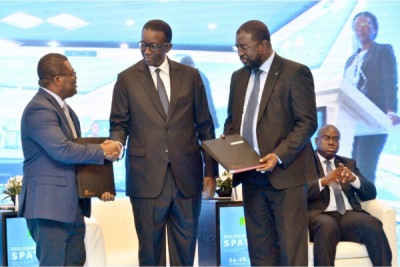
In the past two decades, Africa has increasingly relied on satellite data to accelerate its development. Currently, around ten countries have established their space agencies and are actively pursuing strategies to accomplish their objectives.
On Tuesday, October 24, Senegal’s space agency ASES and the Regional Satellite Communications Organization (RASCOM) signed a memorandum of understanding and strategic partnership on the sidelines of the African Union-European Union Space Dialogue ongoing in Dakar. The agreement aims to strengthen and accelerate Senegal's digitization initiatives by harnessing the capabilities of satellite communication solutions.
As part of the partnership, the two organizations will implement projects to revolutionize various sectors –including telecommunications, agriculture, education, and health– in Senegal through the use of satellite technologies.
The memorandum of understanding reflects Senegal's commitment to becoming a pioneer in the use of space technology to foster innovation in Africa. It is part of the SenSAT space program launched by the government to meet the country's needs in space products and services and to make the space sector a key driver for socio-economic and sustainable development.
For RASCOM, the protocol aligns entirely with its mission of bridging the digital divide in Africa, ensuring comprehensive connectivity in a sustainable and viable way.
The successful implementation of the partnership will help bridge the digital divide in Senegal, by leveraging cutting-edge satellite communication technologies and providing essential public services to the entire population, including those in far-flung areas.
The agreement comes just a few days before the launch of Senegal's first satellite (due on November 10).
Samira Njoya
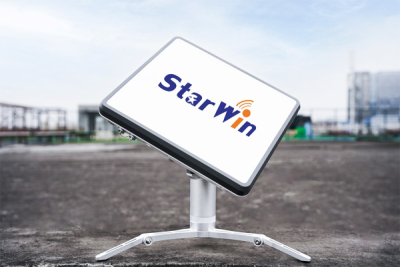
Satellite Internet is gaining ground in Africa. Since the beginning of the year, American operator Starlink has been rolling out its services on the continent. New operators are also eying the continent.
Last week, Chinese satellite communication solutions provider StarWin announced the successful testing of its Electronically Steered Phased Array (ESA) antenna terminal for Communications on the Move (COTM) on the high-speed Ka-band HYLAS 4 satellite of Avanti Communications, a UK provider of high-speed satellite connectivity. The aim is to provide broadband connectivity across Africa to government, military, and corporate clients.
"We are thrilled to have joined forces with Avanti for this revolutionary project. The successful testing of our Ka-band ESA terminal is just the beginning of a new era. We look forward to further advancements in the industry. The future of mobile connectivity in Africa looks brighter than ever," said Amelia Liu, COO and co-founder of StarWin.
Satellite Internet is an attractive alternative for the African continent, especially for people living in remote areas. Due to various constraints, conventional Internet providers are unable to reach these areas, hindering the pursuit of a key sustainable development objective ensuring affordable Internet access for all in the least developed nations.
Avanti, with its fleet of four HYLAS Ka-band satellites, offers 50 GHz capacity and covers more than 1.7 billion people in 118 countries.
"This latest partnership with StarWin will allow us to expand our offering in Africa’s defense and security sector, by providing greater on-the-move capabilities. This new chapter will further our mission to deliver secure and reliable connectivity to those who need it most," said Donald Walker, Senior Vice President of Government and Defence at Avanti.
Adoni Conrad Quenum
Recognizing the necessity of affordable and high-quality Internet services for an effective digital economy, the South Sudanese government and its partners have been working, for years now, to strengthen local data capabilities.
Thuraya Telecommunications Company and YahClick, two subsidiaries of Al Yah Satellite Communications Company (Yahsat), a leading provider of satellite solutions in the United Arab Emirates, announced on Monday, October 23 the signing of a partnership agreement with Gate for Technologies (G4T), a company offering integrated systems design and communications services in South Sudan. One of the aims of the partnership is to provide satellite connectivity solutions in several high-growth sectors in South Sudan.
As part of the partnership, Thuraya's satellite technology will be deployed in the country to connect remote communities. Yahsat will also collaborate with humanitarian agencies based in South Sudan, providing essential connectivity to support underserved areas.
"The new service partner agreement with Gate for Technologies reinforces our commitment to South Sudan and Africa. As the country seeks to rebuild critical sectors of the economy, consistent and reliable connectivity will increasingly play an integral role in furthering socio-economic development," said Ali Al Hashemi, Yahsat Group CEO.
The partnership, which began its implementation with the launch of Thuraya and YahClick services in the country, is part of efforts by the government and its partners to develop the national telecommunications infrastructure and provide e-government services.
The service agreement will leverage G4T's market presence and partnerships with government entities, non-governmental organizations (NGOs), and mobile network operators (MNOs) to develop the telemedicine, education, and oil and gas sectors. It is a response to the growing demand for connectivity solutions but, its ultimate aim is to help accelerate growth, development, and digital transformation in the country.
Samira Njoya
In recent years, mobile fraud and cybercrime have risen significantly in Africa's digital space. Governments are, therefore, stepping up measures to put an end to these crimes.
Burkina Faso will reduce the number of SIM Cards each subscriber can register with a single telecom operator from five to two. The measure was adopted by the Council of Ministers in Ouagadougou on Wednesday, October 18.
According to Aminata Zerbo-Sabané, Minister of Digital Transition, Posts and Electronic Communications, the government's measure is aimed at combating insecurity in the country.
"Considering the security situation in Burkina Faso and the improper use of electronic communication services, the government, during today's Council meeting, has decided to enforce a decree aimed at strengthening the regulatory framework governing the identification of electronic communication service subscribers, clients, and providers. It's important to note that there was already the December 2018 decree overseeing that identification process. However, after several years of implementation, challenges and deficiencies have been observed,” she said.
The bill adopted by the Council of Ministers addresses these shortcomings and provides for several other measures, including streamlining the identification requirements for subscribing to electronic communication services, as well as the obligation for operators to sell SIM cards in their agencies or approved sales outlets. Operators and their customers have three months to comply with these new measures.
The new measures are expected to facilitate improved monitoring of SIM card access and enhance the credibility of electronic communication service user data. These actions are aimed at effectively countering any illicit exploitation of these services.
Samira Njoya

Digital transformation has greatly accelerated in Africa over the past three years. Aware of the stakes involved, African governments are taking initiatives to develop digital technology and democratize the Internet.
In Congo, the telecom regulator ARPCE will deploy 3rd generation (3G) mobile technology in 184 white zones across the country. The new territories, located in the Likouala and Cuvette-Ouest departments, were identified on Tuesday, October 11 in Brazzaville, during the presentation of a study commissioned by the regulator to open up white zones.
According to the study, carried out by the consulting firm Smart World Partners, by bringing 3G to these new localities, at least 250,000 inhabitants will be reached by high-speed telecom services. Among other things, the technology will give them the ability to communicate better, access online learning or business opportunities, get better informed, and even access certain government services that are going digital.
The 3G rollout plan falls within the framework of the Digital Transformation Acceleration Project (PATN) and the national strategy for the development of the digital economy, Congo Vision 2025. It will be financed by Congo’s universal service fund FASUCE, whose necessity for the development of broadband connectivity and digital inclusion was reaffirmed in the study. To date, the fund has enabled the government to connect 153 localities or "white zones" to high-speed telecoms services and to build 19 multimedia rooms across the country.
During the presentation, after the FASUCE’s importance was reaffirmed, Telecoms Minister Leon Juste Ibombo (photo, center) assured that all the stakeholders involved would make sure the “most remote Congolese localities can access the Internet, online education, and public digital services.” He also called the stakeholders to “responsible commitment” and transparency in the management of identified projects.
Samira Njoya

Some 2.6 billion people still have no access to the Internet across the globe. In remote areas, where conventional networks seem limited, satellites are positioning themselves as a reliable alternative.
On Friday, October 6, American e-commerce giant Amazon launched the first two satellites of its 3,236-satellite constellation. Dubbed "Project Kuiper", the satellites will orbit lower around the Earth to provide high-speed, low-latency satellite Internet services like Elon Musk’s Starlink.
Project Kuiper aims to bridge the digital divide by providing fast, affordable broadband to communities unserved or underserved by traditional communications technologies. To achieve this, Jeff Bezos's company intends to invest $10 billion.
"Our goal with Project Kuiper is not just to connect unserved and underserved communities, but also to delight them with the quality, reliability, and value of their service. [...] From day one, every technology and business decision we’ve made has centered on what will deliver the best experience for different customers around the world, and our range of customer terminals reflects those choices," explained Rajeev Badyal, Amazon’s vice president of technology for Project Kuiper, last March.
Amazon, which is still lagging in terms of satellite deployment, ultimately wants to compete with Starlink in the satellite internet segment. For that purpose, it plans to launch more than 1,500 satellites before 2026 to retain its operating license granted in 2020 by the US Federal Communications Commission. Meanwhile, Starlink already has over two million active users worldwide with plans to conquer the African market. This year, it intended to enter 23 African markets but currently, it has effectively launched in six owing to various legislations.
It is worth noting that the costs of Starlink’s equipment are pretty high for the average African. Earlier this month, the company decided to reduce the cost of its equipment by 21% in Nigeria, from 378,000 naira (around $487) to 299,000 naira. Last September, Kenyan President William Ruto also asked Starlink to reduce the price of its services. The equipment costs 89,000 Kenyan shillings (approx. $595), with a delivery charge of 3,100 shillings. In Zambia, the equipment costs 10,774 kwachas (around $505).
Will Amazon’s equipment be more affordable for Africans?
Amazon wants to offer three antenna models for its customers. The firm revealed that the production cost of the standard model is around $400, which implies that the standard selling price will be higher than this amount. Truly, equipment is a one-off expense but, at this rate whether it is higher than that practiced by Starlink in African markets or not it remains high. What's more, after reducing its prices in Nigeria, Elon Musk's firm will probably continue this pricing policy in other markets to standardize its offerings across the continent.
As a reminder, the number of people covered by fixed broadband in Africa remains below 10%. This is the lowest level in the world. With conventional networks’ failure in this area, satellite Internet remains the most attractive alternative for remote and underserved areas to access broadband Internet.
Adoni Conrad Quenum
More...
The sheer volume of high-speed telecom infrastructure deployed in Africa since 2010 has made the continent a market with high financial potential for many international tech groups. But these investments appear to be underexploited.
Over the past ten years, the number of people covered by fixed broadband in Africa has remained below 10%, despite the considerable financial investments made during this period. In its "Global Connectivity Report 2022", the International Telecommunication Union (ITU) reports that in 2021, only seven out of every hundred households were covered by the service, compared with 82% for mobile. This is the lowest level worldwide and has not changed since. In Europe, the coverage rate is 96%, compared with 88% and 86% respectively in the Asia-Pacific and Americas.
In terms of subscriptions, only 1% of consumers had subscribed to the service on the continent by 2021. This was also the lowest level worldwide. In Europe, the figure was 35%, compared with 23% and 17% in the Americas and Asia-Pacific respectively, according to the ITU.
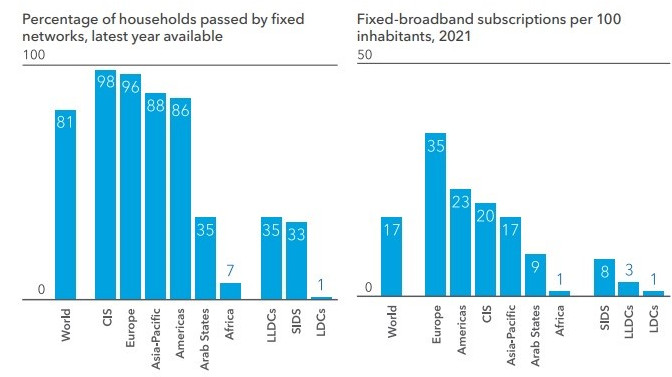
Worldwide fixed broadband coverage (Source: ITU, 2021)
According to the ITU, the lag in fixed broadband is explained by consumer preference in terms of usage. They opt for mobile, which is more flexible and less expensive. For telecom operators, the choice is explained by investment costs. "Fixed broadband networks are very costly to deploy, maintain, and upgrade, depending on the geography and extent of the territory to be covered," says the ITU. At 17.9% of monthly gross national income per capita, fixed broadband access costs in Africa are the most expensive in the world. Meanwhile, the ITU recommends less than 2%.
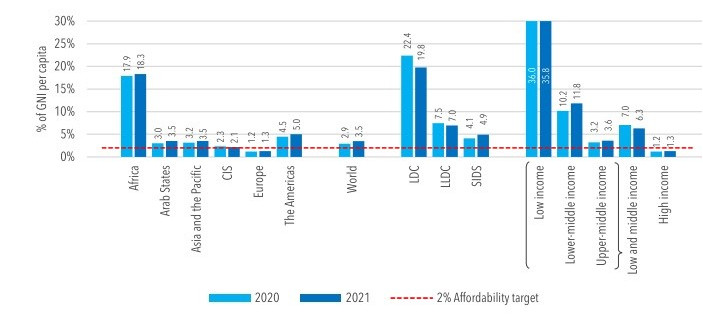
Fixed broadband access costs in 2021 (Source: ITU)
Since 2020, Africa has recorded the fastest annual growth rate in Internet transmission capacity in the world, according to the report "The State of Broadband 2023 Digital Connectivity: A Transformative Opportunity" by the United Nations Broadband Commission. The continent is already home to more than 25 submarine fiber optic systems and is covered by almost 1.2 million km of terrestrial fiber optics. But only 25% of the population lives within 10 km of a fiber optic network.
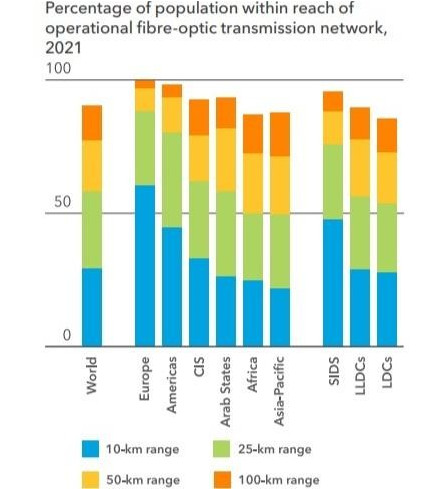
Percentage of population near a fiber optic network (Source: ITU)Worldwide, only 2.3 billion people (29%) were living within 10 kilometers of a fiber optic network in 2021. In Europe, over 60% of the population lives within 10 kilometers of a fiber-optic network, nearly 47% in the Americas, and 22% in the Asia-Pacific region.
“Although more people use mobile networks than fixed networks to connect to the Internet, the latter remains important. For example,fixed-broadband networks generally have a higher data capacity than mobile networks, and download limits are higher than similarly priced mobile-broadband plans. They are faster and are more reliable than 3G or 4G networks, making them more suited for high-bandwidth activities such as games and video calls," explains the Union.
Broadband internet is more strategic for small and medium-sized businesses. In its survey "The State of Broadband: Accelerating Broadband for New Realities September 2022," the Broadband Commission for Sustainable Development conducted a survey of informal businesses in nine African countries, revealing low levels of ICT use. "Internet use for business purposes was 7% on average, ranging from 24% in South Africa to 1% in Rwanda. Computer ownership is also low: over 90% of businesses surveyed in Ghana, Kenya, Mozambique, Nigeria, Rwanda, Tanzania, and Uganda said they did not have one," the survey shows
While a one-person micro-business may find that a smartphone with wireless access is sufficient to carry out its activities, particularly for online sales on social media, many businesses still feel that they don't need Internet access or a computer. Yet, fixed broadband can improve operational and commercial activities, as the Covid-19 crisis demonstrated.
In the report "Economic impact of broadband in LDCs, LLDCs, and SIDS: An empirical study, 2019", the ITU estimates that a 10% increase in fixed broadband penetration would increase gross domestic product per capita by 2.0 to 2.3%.
Muriel Edjo
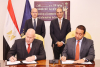
Incumbent operator Telecom Egypt is gradually moving towards its goal of becoming the leading connectivity services provider in the region. As part of its strategy, the company is teaming up with like-minded international partners.
Egyptian telecom operator Telecom Egypt and 4iG, a Hungarian IT service management company, signed a memorandum of understanding in Cairo on Wednesday, October 4, to link Egypt and Albania via a high-capacity fiber optic submarine cable.
The cable to be built will be a new traffic entry to Europe via Albania and will add a new multiple route to Egyptian-European traffic. "With an open access model and multiple branching units, the system is set up to be a new European cable entry point with a different transit passage compared to the already existing Mediterranean routes to the main internet Point of Presence (PoP) such as the ones in Frankfurt in addition to numerous potential Points of Presence in Eastern Europe," said 4iG in a press release.
For Budapest-based 4iG, the new agreement represents a gateway to “enter as a new player in the market for intercontinental data transmission infrastructure between Europe and Asia, and Europe and East Africa.” Meanwhile, Telecom Egypt indicates that the initiative is part of its strategy to diversify transit options in the Mediterranean basin by means of multiple, high-capacity submarine cables linking Egypt and Europe.
According to Amr Talaat, Egypt's Minister of Communications and Information Technology (MCIT), the country is already connected to 14 international submarine cables, and work is underway to establish five new cables. In addition, Telecom Egypt is the partner of choice for the deployment of submarine cables for over 160 companies worldwide.
Ultimately, the new submarine cable will, among other things, facilitate connectivity in the countries concerned and create new opportunities for cooperation with partners in many countries.
Samira Njoya
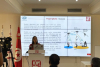
The test is carried out in preparation for a service rollout in 2024.
American satellite service provider Starlink has rolled out its services in Tunisia for a three-month trial period. This was announced, on Monday, October 2, by the Ministry of Communication Technologies during a workshop organized to discuss the present and future situation of satellite internet in Tunisia.
The test will be carried out in three cities, namely Tunis, Ariana, and Gabes. It aims, among other things, to help discover satellite Internet technologies and compare them with traditional methods currently available in Tunisia, such as internet services offered by telecom operators, fiber optics, or subsea cables. It will also offer the opportunity to review the legal and regulatory framework surrounding the marketing of the services as well as the business model.
Tunisia, like most countries on the continent, is looking for alternatives to connect the majority of the population, in this case those in landlocked and/or remote areas, through its national strategy for the development of digital infrastructure and technical solutions. This pilot phase follows Tunisian ICT Minister Nizar Ben Néji's visit to the United States in July. During his visit, the government official signed a partnership agreement with the American firm to enable his ministry, the national spectrum agency, the Telecommunications Research and Studies Center, and the telecoms regulator to draw up licenses for the provision of satellite Internet services.
According to its roll-out schedule published earlier this year, Tunisia is not due to receive Starlink’s internet services in 2024. The pilot phase launched this month (the first month of the fourth quarter of the year), confirms this schedule.
Let’s note that according to DataReportal, in Tunisia, Internet penetration rate was 66.7% in 2022.
Adoni Conrad Quenum

Telecom operators are increasingly investing in fifth-generation Internet. In Sierra Leone, French telecom giant Orange is entering this segment, adding to the list of countries where it has already launched 5G.
Last week, Orange Sierra Leone announced the launch of the pilot phase of fifth-generation mobile Internet, to offer subscribers higher connection speeds, improved connectivity, and low latency. This pilot phase will take place solely in the business district of Freetown, the country's capital.
"This launch is indeed an important milestone for Sierra Leone. I am delighted that Orange Sierra Leone is taking the lead in setting the baseline technology standard for 5G by deploying this state-of-the-art pilot phase on our network, in line with the company's vision to become a leading mobile Internet service provider in Sierra Leone," said Sekou Drame, Chairman and CEO of Sonatel, the parent company of Orange Sierra Leone.
During an audience with Sonatel’s delegation, Julius Maada Bio (photo, center), President of Sierra Leone, praised the initiative. Internet is a key point in Sierra Leonne’s 2019-2029 National Innovation and Digitalization Strategy. In that context, the 5G test is in line with authorities’ ambition to boost access to the Internet.
Let’s note that Orange is multiplying its investments in 5G technology on the continent. Among other countries, the telecom company has carried out 5G commercial tests in Botswana, Tunisia, DRC, Côte d’Ivoire, and Senegal. Last week, it inaugurated a 5G lab in Madagascar, to enable local tech players to discover this technology, demonstrate use cases, and test its impacts on their products and services.
Adoni Conrad Quenum