

-
Algeria launched a national digital platform on December 1 to report corruption in the social sector.
-
Transparency International ranks Algeria 107th globally in the 2024 Corruption Perceptions Index.
-
Nearly 9,500 civil servants have already been trained to use the new reporting tool.
Algeria launched a digital platform to help citizens and public officials report corruption in the social sector, strengthen transparency, and improve trust in public institutions.
The country continues to face systemic corruption that undermines public services and weakens citizen confidence. Consequently, authorities aim to modernize governance tools and reinforce accountability across the administration.
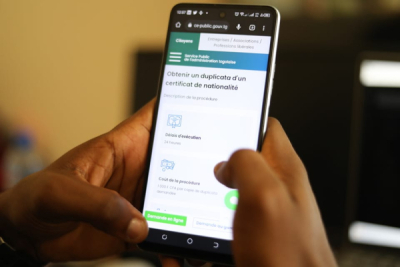
The Ministry of National Solidarity, Family and Women’s Affairs launched the national platform on December 1. The tool, available on both mobile and desktop, enables users to report suspicious practices, upload digital evidence, and track the status of their submissions.
Minister Soraya Mouloudji said the platform “forms part of the implementation of the national strategy to combat corruption and strengthen integrity, which is based on public ethics, the promotion of a culture of integrity within institutions, and improved transparency in the management of public funds.”
The platform centralizes all tools required for effective processing of corruption alerts: a structured reporting form, a secure space to upload supporting documents, an option for anonymous submissions, and a dashboard that informs users of the progress of their cases.
The ministry intends to improve administrative responsiveness, shorten processing times, and ensure strict traceability of all reports.
The launch comes as Algeria continues to struggle with governance issues. Transparency International’s Corruption Perceptions Index 2024 ranks Algeria 107th out of 180 countries, with a score of 34 out of 100, reflecting persistent public-sector corruption concerns.
According to the ministry, nearly 9,500 public agents have already received awareness and training sessions to ensure proper use of the platform and promote a culture of transparency in public services. The government considers these skills essential to guarantee the system’s reliability and the credibility of follow-up actions.
Although the platform could democratize reporting, improve the quality of evidence, and increase public pressure for stronger anti-corruption measures, its success depends on several key factors: serious investigations, effective whistleblower protection, and public visibility of enforcement outcomes.
This article was initially published in French by Samira Njoya
Adapted in English by Ange Jason Quenum