

-
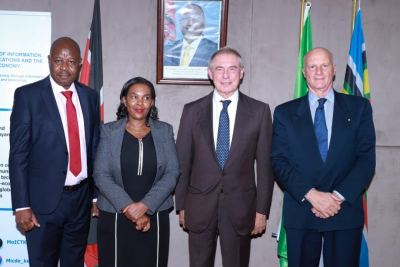
Senegal’s National Civil Status Agency (ANEC) and the Caisse des Dépôts et Consignations (CDC) signed a partnership agreement on May 22 in Dakar to modernize and secure civil registry services through nationwide digitalization.
-
Senegal had already digitized more than 19 million civil records by 2024 as part of its broader administrative modernization strategy.
-
Authorities aim to strengthen public data management, improve citizens’ access to official documents and reduce document fraud through centralized databases and digital platforms.
Senegal has accelerated the digital transformation of its civil registry system as the government pushes forward with broader administrative modernization efforts.
The National Civil Status Agency (ANEC) and the Caisse des Dépôts et Consignations (CDC) signed a partnership agreement in Dakar on Friday, May 22, to modernize and secure civil registry services through nationwide digitalization. Senegal had already digitized more than 19 million civil records by 2024.
The two institutions aim to strengthen administrative data management, improve citizens’ access to official documents and curb document fraud, which continues to affect several administrative procedures across the country.
The partnership includes the gradual digitalization of civil registry procedures, the protection of archives, the modernization of administrative centers and the deployment of digital management tools.
Authorities have already launched several projects, including the creation of a centralized database and the deployment of integrated management software in multiple civil registry centers. In addition, authorities continue to expand the “Sama État civil” platform, which already allows citizens to complete some administrative procedures remotely. The government expects the platform to reduce travel requirements for users and accelerate request processing times.
Meanwhile, the reform comes as several African countries seek to modernize identification systems and civil data management.
According to UNICEF, nearly 150 million children under the age of five worldwide still lack official birth registration, while sub-Saharan Africa remains one of the most affected regions.
In Senegal, challenges linked to birth registration, paper archive preservation and access to administrative documents continue to limit access to certain public services, particularly in rural areas.
Through the reform, Senegalese authorities also seek to improve the reliability of public data as digital administrative services expand.
The government considers civil registry modernization a key component of the country’s national digital strategy. Authorities expect the reform to improve citizen identification, facilitate access to public services and support future projects related to digital identity and broader administrative digitalization.
Samira Njoya