

- ECOWAS drafts its first regional e-government strategy to harmonize public-service digitalization.
- The plan includes shared cybersecurity mechanisms, interoperable digital infrastructure and data-governance frameworks.
- Ghana, Cape Verde, Côte d’Ivoire and Senegal show the strongest national progress, according to the UN DESA 2024 Index.
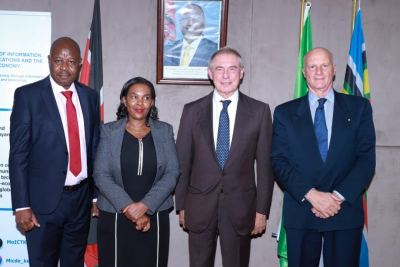
ECOWAS is developing its first regional e-government strategy as West African states accelerate national digital-administration reforms. Government officials, ICT experts and technical partners met last week in Abuja to review and validate the strategic directions of the forthcoming framework.
The strategy aims to build an interoperable public digital infrastructure for the region, strengthen data-governance systems, and support member states in modernizing administrative services. It also seeks to introduce shared cybersecurity mechanisms and align national policies that remain fragmented across the bloc.
The initiative complements ongoing ECOWAS digital-transformation programs such as WARDIP, which targets faster regional digital integration. It also reflects the ambitions of ECOWAS Vision 2050, which calls for a connected, resilient community built on modern institutions.
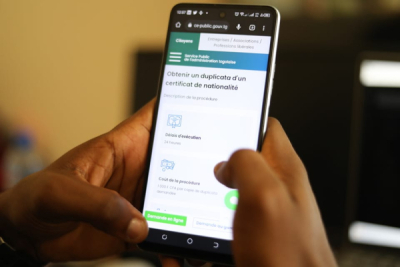
Member states have already undertaken major e-government reforms. Ghana has launched reference digital-ID platforms; Cape Verde continues to consolidate one of the region’s most advanced electronic administrations; Côte d’Ivoire is betting on centralized online public services; and Senegal is expanding its e-services ecosystem, supported by a unique identifier and interoperability systems. A regional strategy is now seen as a natural step to scale and coordinate these efforts.
If adopted, the strategy could significantly improve administrative efficiency, enable secure data circulation, strengthen transparency and accelerate regional integration by allowing citizens and businesses to access public services across borders.
According to the 2024 UN DESA E-Government Development Index, several ECOWAS states rank among West Africa’s top performers. Ghana stands at 108th globally, followed by Cape Verde (109th), Côte d’Ivoire (124th) and Senegal (135th). These rankings highlight a strong regional momentum and show that, despite uneven progress, the foundations for a shared strategy are already in place.
Samira Njoya