
-
Kenya aims to increase international tourist arrivals from 3 million to 5 million and boost tourism revenue by 50% under its new tourism strategy.
-
Google Kenya and the Ministry of Tourism and Wildlife signed a partnership focused on digital skills, artificial intelligence infrastructure and global marketing campaigns.
-
Authorities plan to use AI, cloud technology and data analytics to strengthen Kenya’s competitiveness and expand tourism-related economic growth.
The East African nation has officially launched its new tourism strategy, "Magical Kenya – The Origin of Wonder," an ambitious roadmap that aims to increase international visitor arrivals from 3 million to 5 million and raise tourism revenue by 50%. Authorities plan to achieve those objectives through digital transformation initiatives and global technology partnerships.
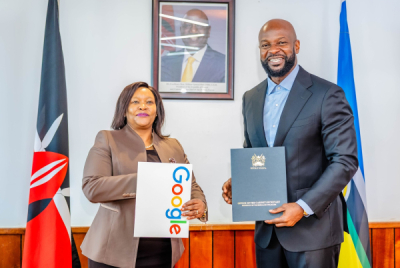
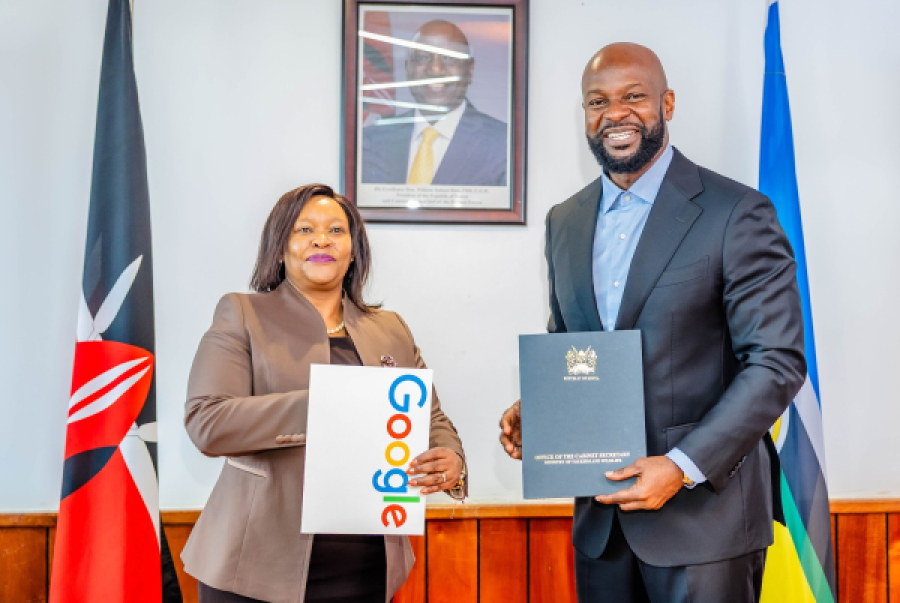
At the center of the strategy, Google Kenya and Tourism and Wildlife Minister Rebecca Miano signed a partnership agreement on May 29. The memorandum of collaboration establishes joint investments across three key areas: digital skills development and youth empowerment, artificial intelligence infrastructure deployment through Google Cloud, and enhanced international visibility through Google Ads and market intelligence tools.
The program will run from May through December 2026. The initiative will rely on implementation partners including The Africa Growth Lab and Action Lab. The program will follow several phases, beginning with the development of technological and organizational foundations, continuing with the activation of the ministry’s cloud infrastructure and culminating in global marketing campaigns.
Consequently, authorities expect the initiative to transform Kenya’s tourism industry into a more competitive and digitally driven engine of economic growth.
Kenya Strengthens Its Tourism Appeal
To support the transformation, authorities have established a 22-member task force. The group will redesign the positioning of the "Magical Kenya" brand, strengthen the country’s international appeal and develop innovative strategies to boost tourist arrivals and youth employment.
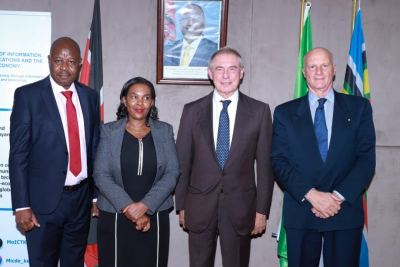
During the signing ceremony, Minister Rebecca Miano welcomed the strategic collaboration and highlighted the central role of digital technology in diversifying Kenya’s tourism offering.
According to Miano, technology integration will help authorities better showcase all 47 counties through tourism experience mapping and the creation of more personalized visitor journeys.
Through the partnership, Kenya is reinforcing its position as one of Africa’s most advanced adopters of digital technologies for economic development.
By investing in artificial intelligence, cloud infrastructure and digital marketing, Nairobi aims to strengthen its competitiveness against leading global tourism destinations.
The strategy aligns with broader continental trends. Several African destinations, including Tanzania, Rwanda and South Africa, have accelerated investments in digital marketing and online booking platforms.
Kenya now aims to convert its established international reputation into more structured tourism revenues by leveraging Google's distribution capabilities and data analytics tools.
Authorities will evaluate the initiative’s effectiveness through the end of 2026, when the first global marketing campaigns are expected to become fully operational.
Muriel EDJO